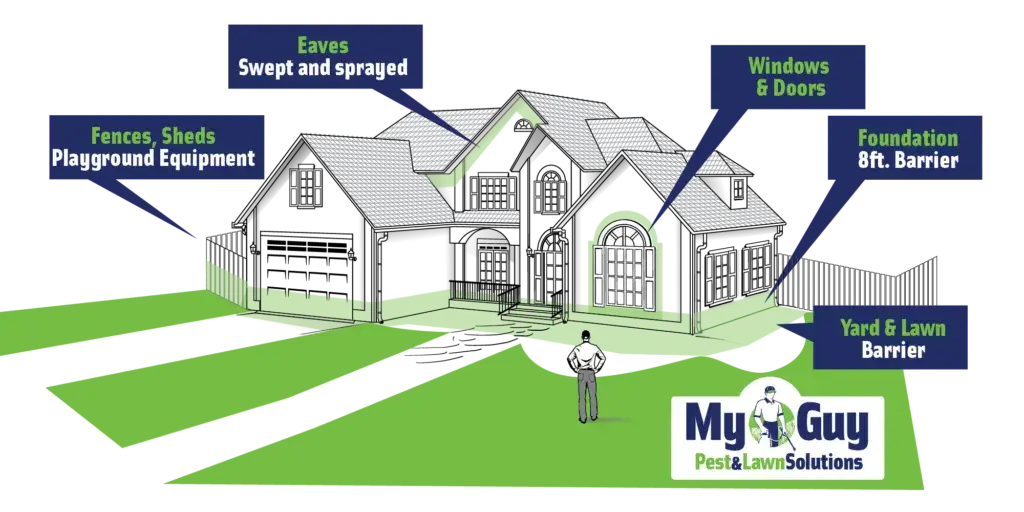
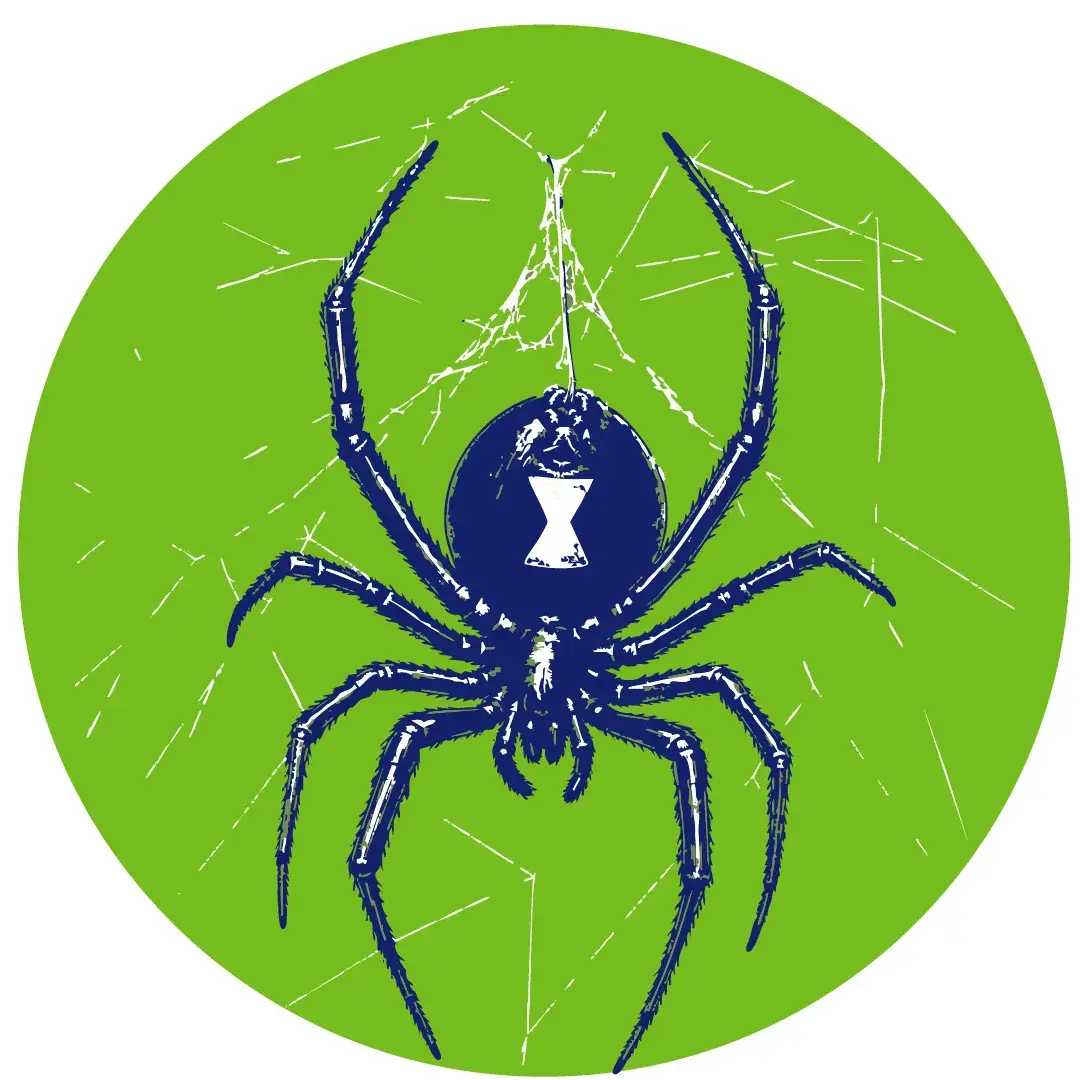
Black widow spiders are common in Utah — especially in new construction where fresh concrete, block gaps, and undisturbed foundation voids create ideal habitat. Our perimeter service treats harborage areas specifically, not just the surface. If you're in a home less than 10 years old in Herriman, Eagle Mountain, Vineyard, or Lehi, black widow presence is expected. We plan for it.
Common, controllable, less dangerous than its reputation. Eratigena agrestis. Found across northern Utah, especially basements and crawlspaces. The CDC removed hobo spiders from its medically important list in 2017 — the evidence for necrotic bites didn't hold up. We still treat for them because they're large, fast, and most customers don't want them in the house. We just won't lie about them being a medical emergency.
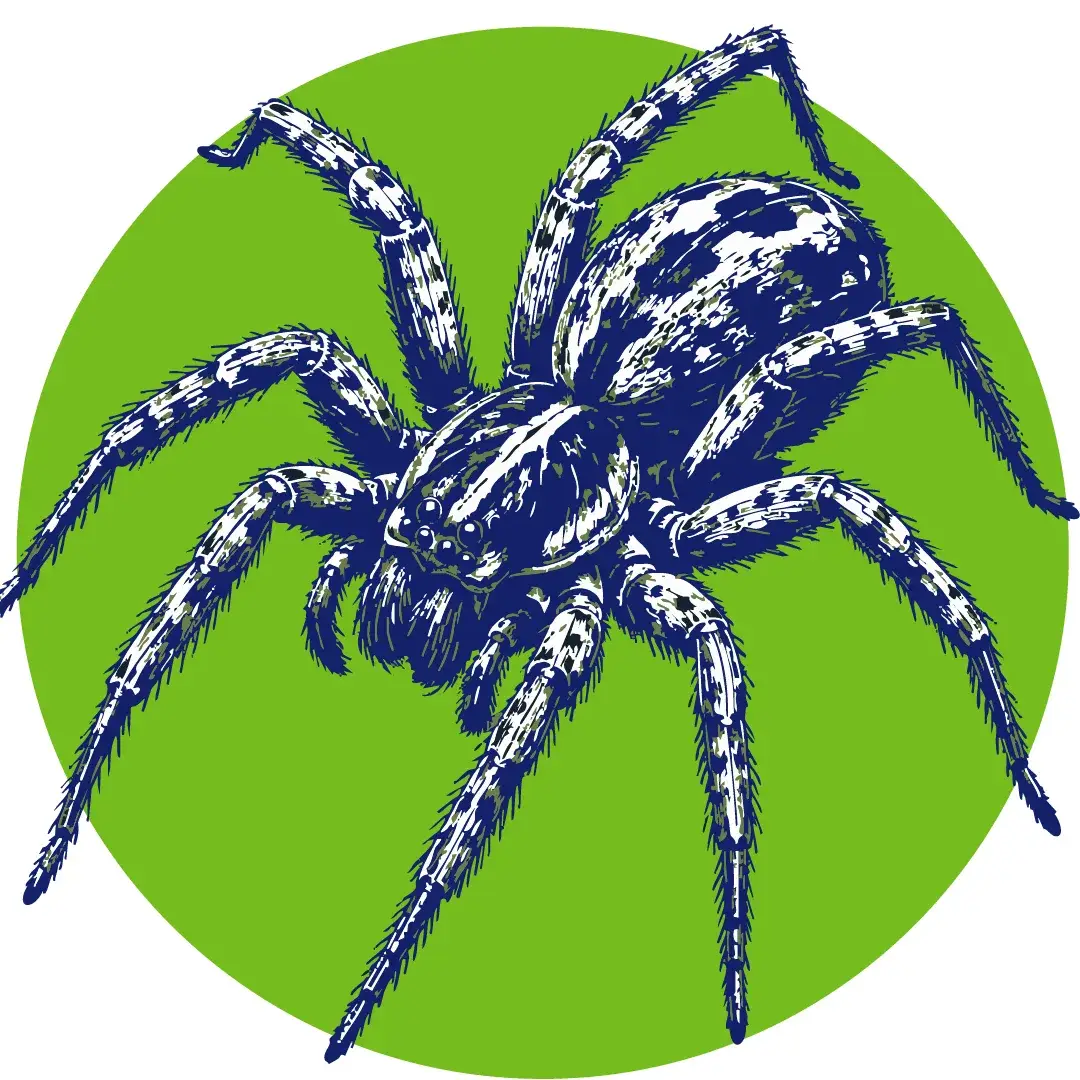
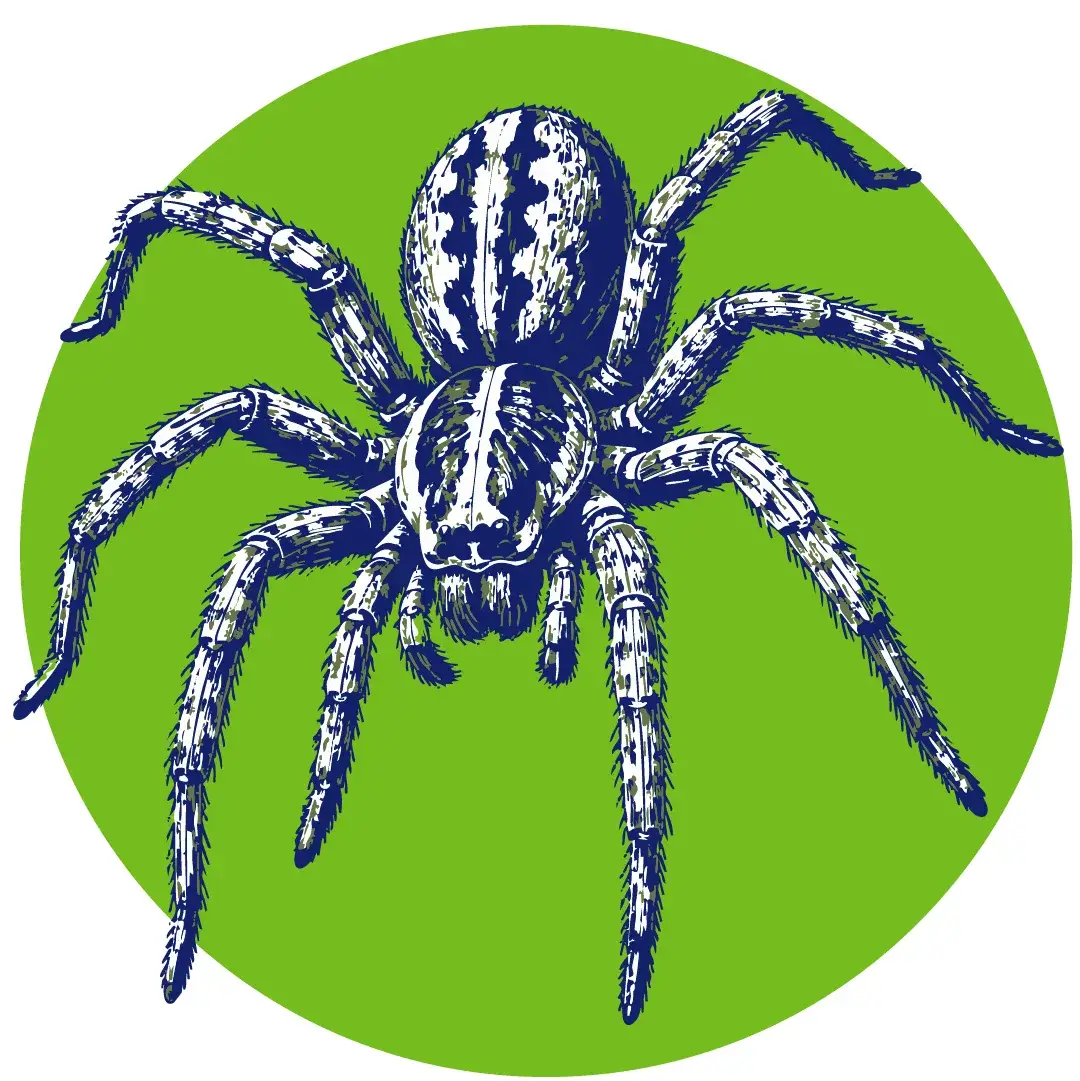
Wolf spiders are large, fast-moving hunters commonly found in Utah lawns, landscape beds, garages, and around foundations. Unlike web-building spiders, wolf spiders actively chase and capture insects, making them beneficial predators outdoors. However, their size and speed often make them an unwelcome guest when they wander into homes. While wolf spiders are not aggressive and their bites are rare, homeowners frequently mistake them for more dangerous spiders. Professional pest control treatments help reduce insect populations that attract wolf spiders and create a protective barrier around your home to keep them where they belong—outside.
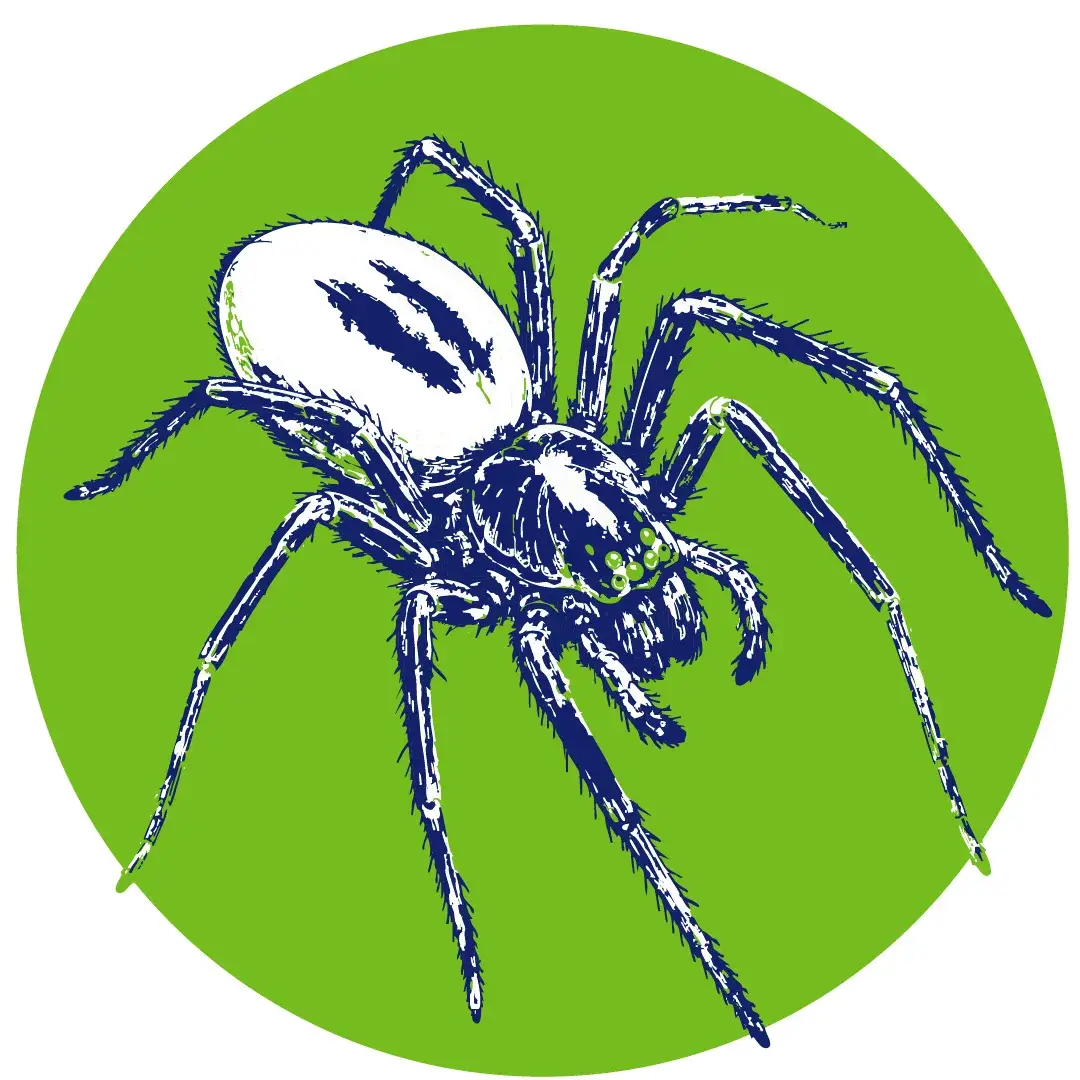
Yellow sac spiders are among the most common spiders found inside Utah homes. These small, pale yellow to light tan spiders typically hide during the day in corners, ceilings, closets, and behind furniture, emerging at night to hunt insects. Unlike web-building spiders, they actively roam in search of prey and create small silk retreats rather than large webs. While yellow sac spiders are not considered dangerous, they are one of the more likely spiders to bite when trapped against skin, which can cause temporary pain, redness, and irritation. Professional pest control treatments help eliminate the insects that attract yellow sac spiders and create a protective barrier to keep them from entering your home.
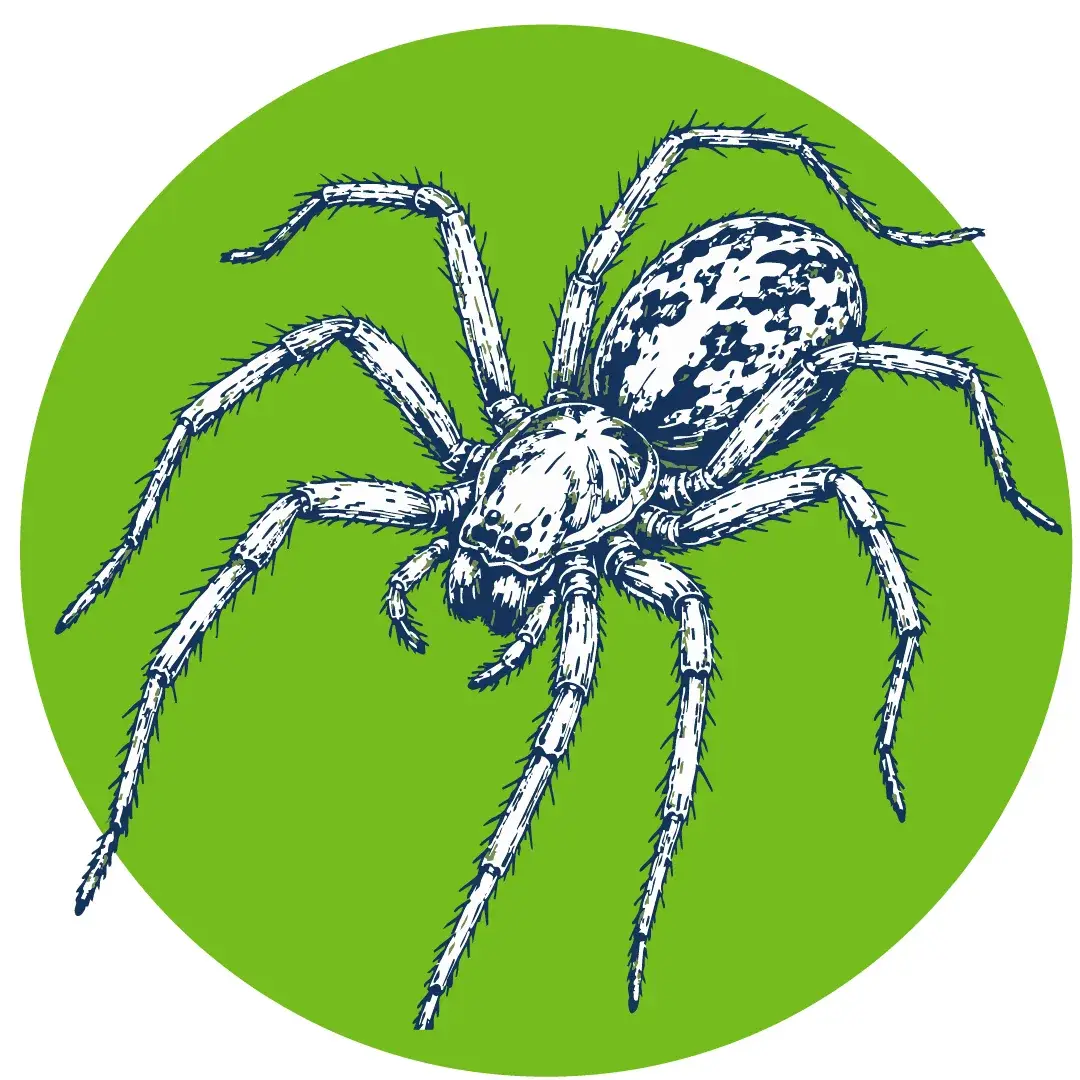
Common house spiders are one of the most frequently encountered spiders in Utah homes. Typically brown, gray, or tan in color, they build irregular webs in corners, basements, garages, crawl spaces, and other undisturbed areas. These spiders are harmless to people and play a role in controlling insects by trapping flies, mosquitoes, and other pests. However, their webs can quickly become unsightly, and growing spider activity often signals an underlying insect problem. Professional pest control treatments reduce both the spiders and the insects they feed on, helping keep your home cleaner, more comfortable, and free of unwanted webs.
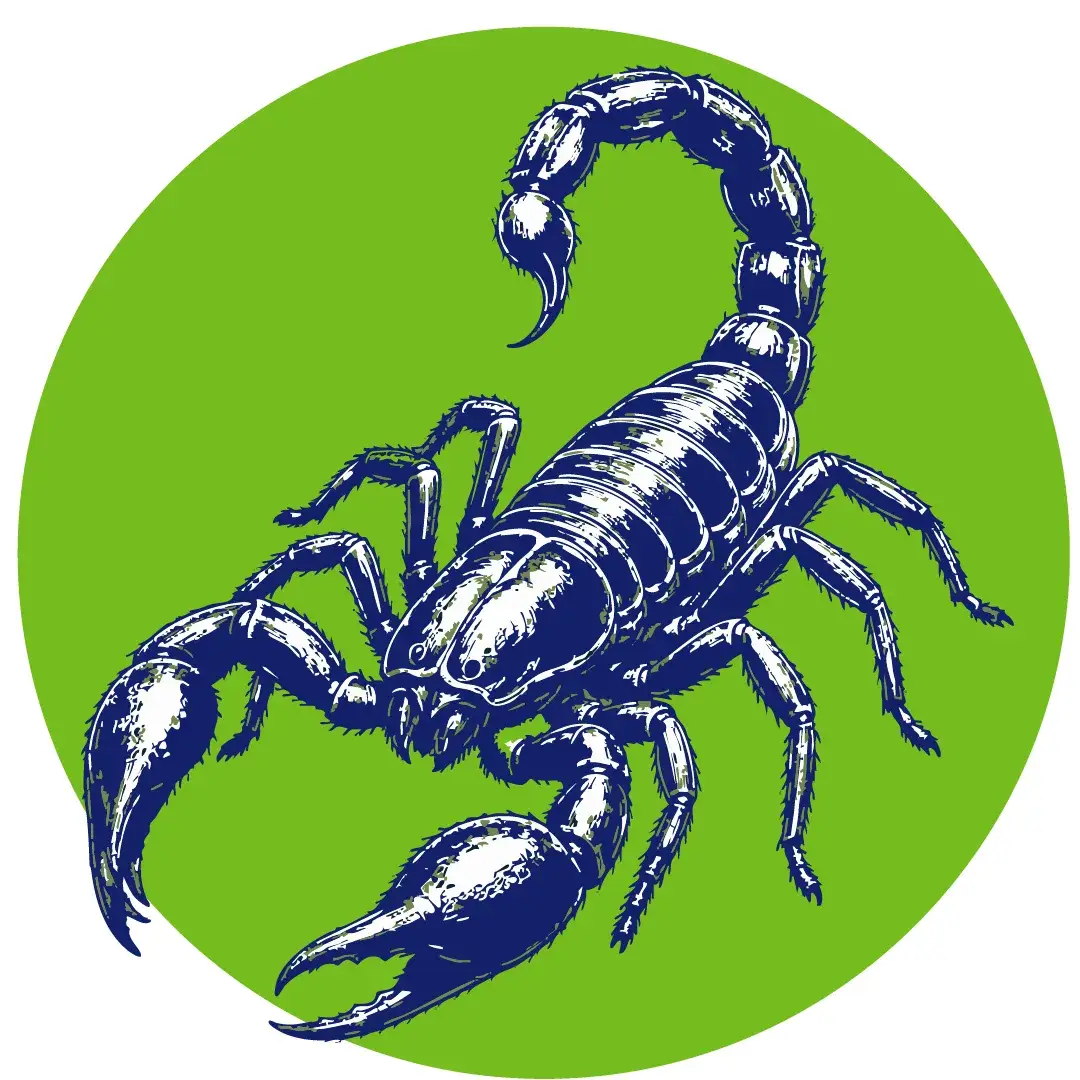
Scorpions are an occasional but unwelcome pest in parts of Utah, often hiding under rocks, wood piles, landscaping materials, and around home foundations. These nocturnal predators feed on insects, spiders, and other small pests, emerging at night to hunt. While most scorpion stings are not medically serious, they can be painful and may cause swelling, numbness, or irritation. Scorpions frequently enter homes through small cracks and gaps while searching for food, water, or shelter. Professional pest control treatments focus on reducing insect populations that attract scorpions, treating harborage areas, and creating a protective barrier around your home to help keep these stinging pests outside where they belong.
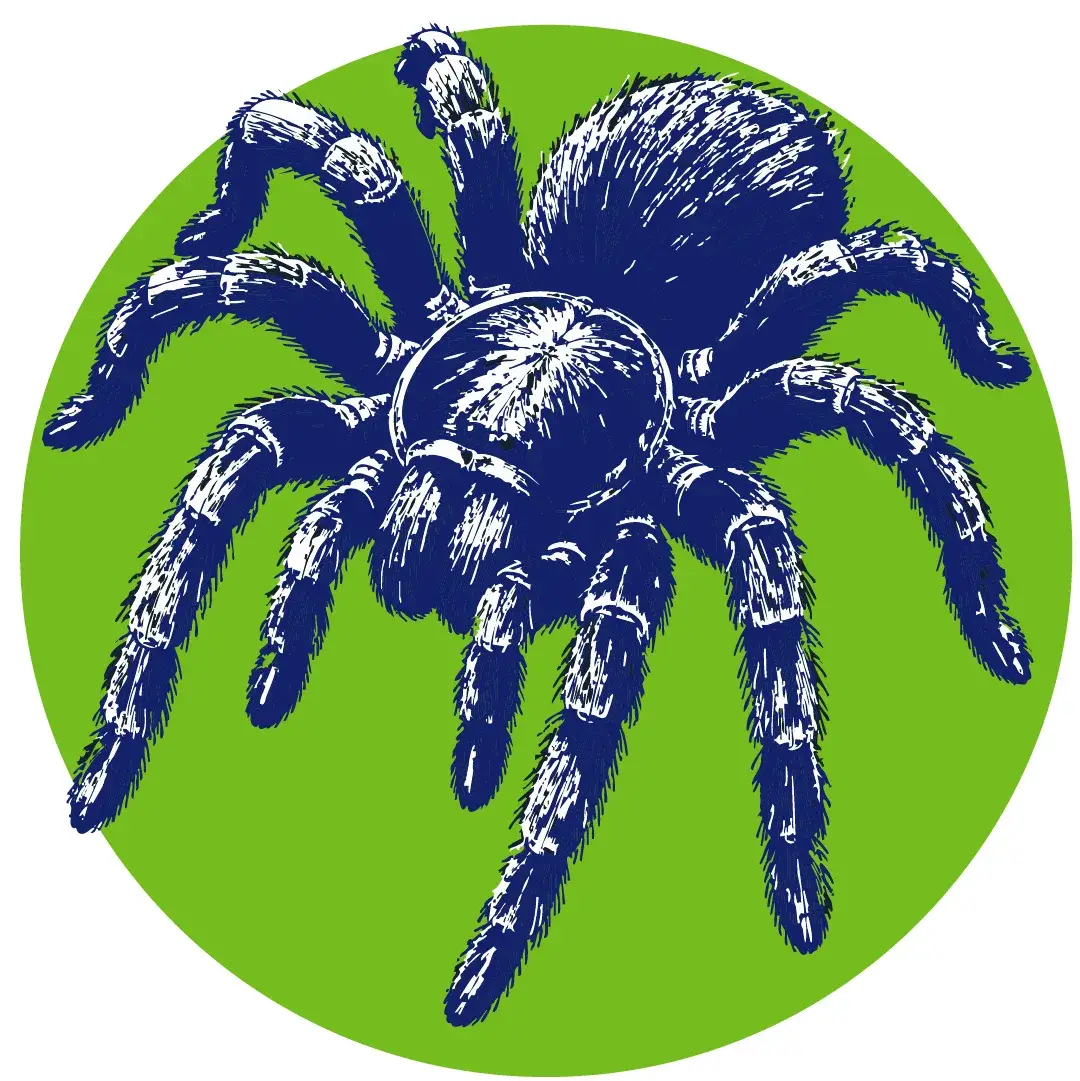
Tarantulas are one of Utah’s most misunderstood spiders. While their large size and hairy appearance can be intimidating, these gentle giants are generally harmless and prefer to avoid people whenever possible. Tarantulas spend most of their lives in underground burrows, emerging at night to hunt insects and other small pests. In late summer and fall, male tarantulas may wander across lawns, driveways, and even into garages while searching for a mate. Despite their fearsome reputation, tarantulas are not aggressive, and bites are rare. If you’ve spotted one around your property, it’s usually a sign of healthy outdoor habitat—not an infestation. Professional pest control helps manage the insects that attract spiders while keeping unwanted visitors from making themselves at home around your property.
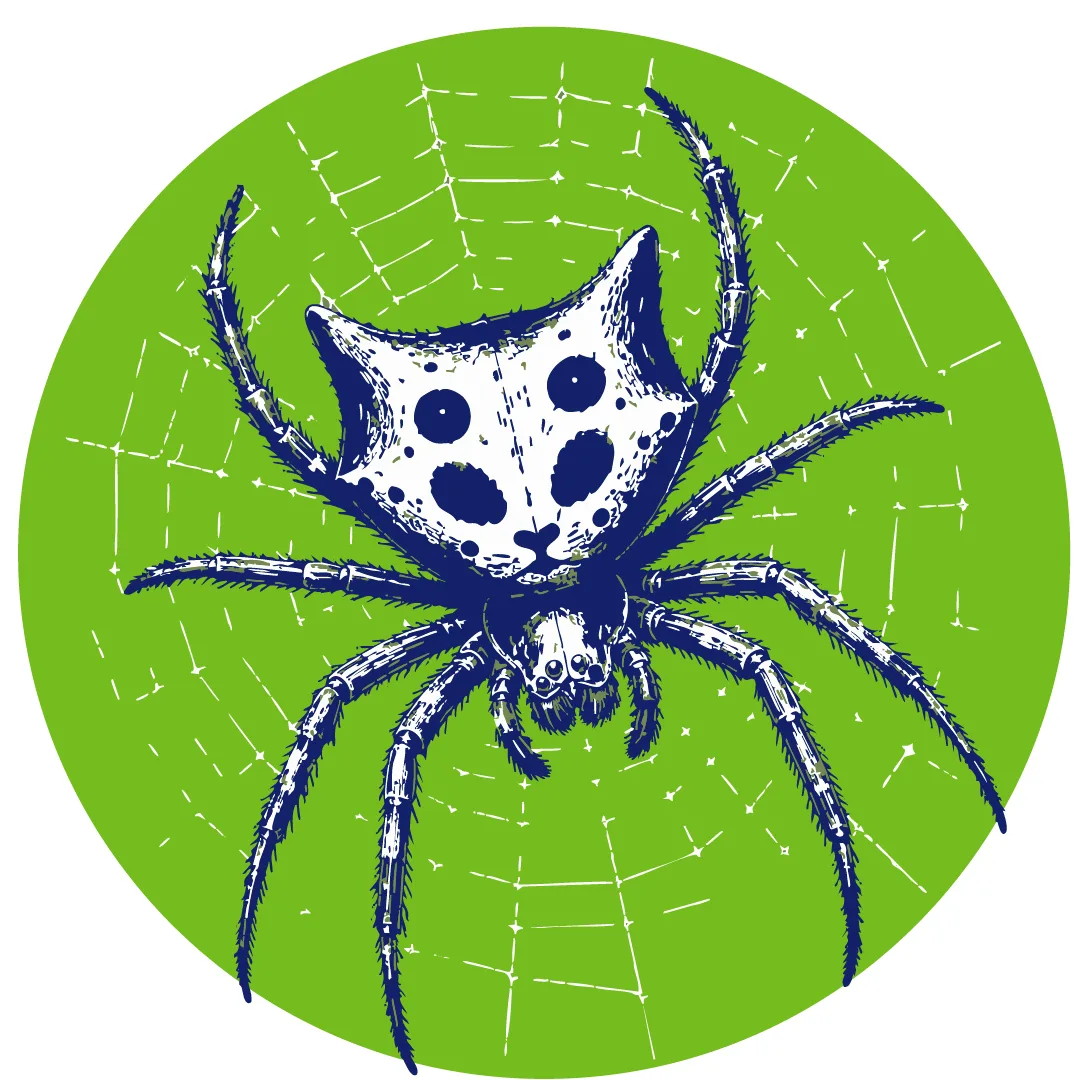
Cat-faced orb weavers are large, harmless garden spiders commonly found throughout Utah. Named for the cat-like bumps on their abdomen, these spiders build the classic circular webs often seen between shrubs, under eaves, around porch lights, and across landscape areas. While their size can be alarming, cat-faced orb weavers are beneficial predators that help control flies, mosquitoes, moths, and other nuisance insects. They are not aggressive and rarely bite. However, their large webs around entryways, patios, and outdoor living spaces can become a nuisance. Professional pest control treatments help reduce the insect populations that attract orb weavers, making your property less appealing for web-building activity while keeping outdoor spaces cleaner and more enjoyable.
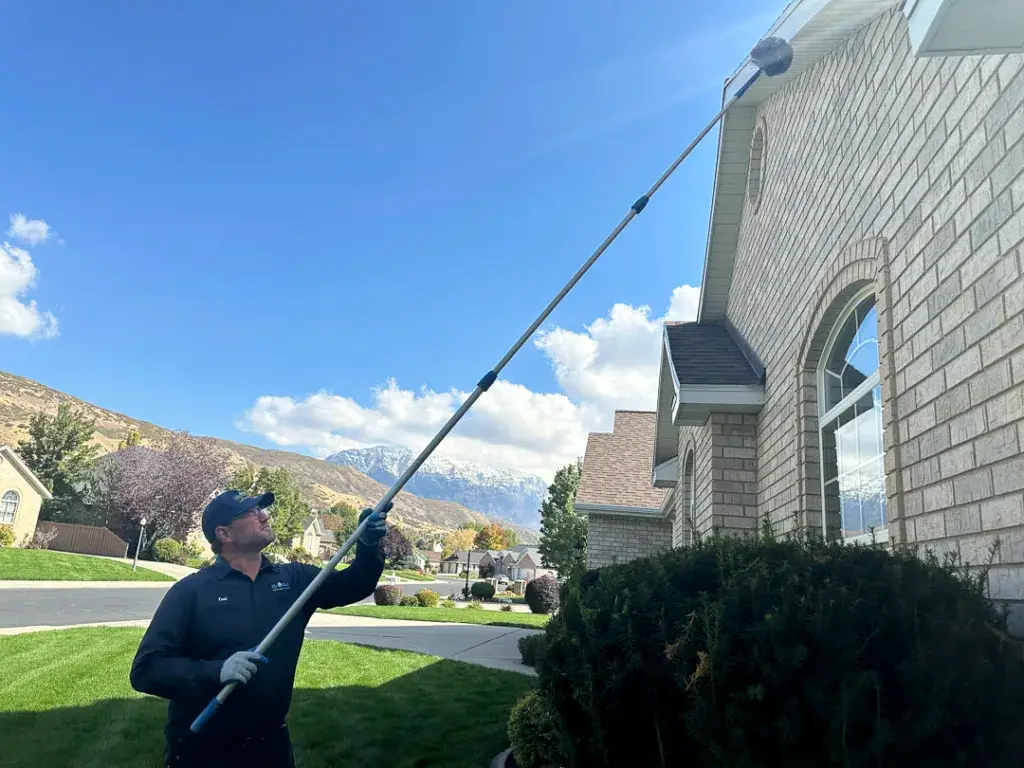
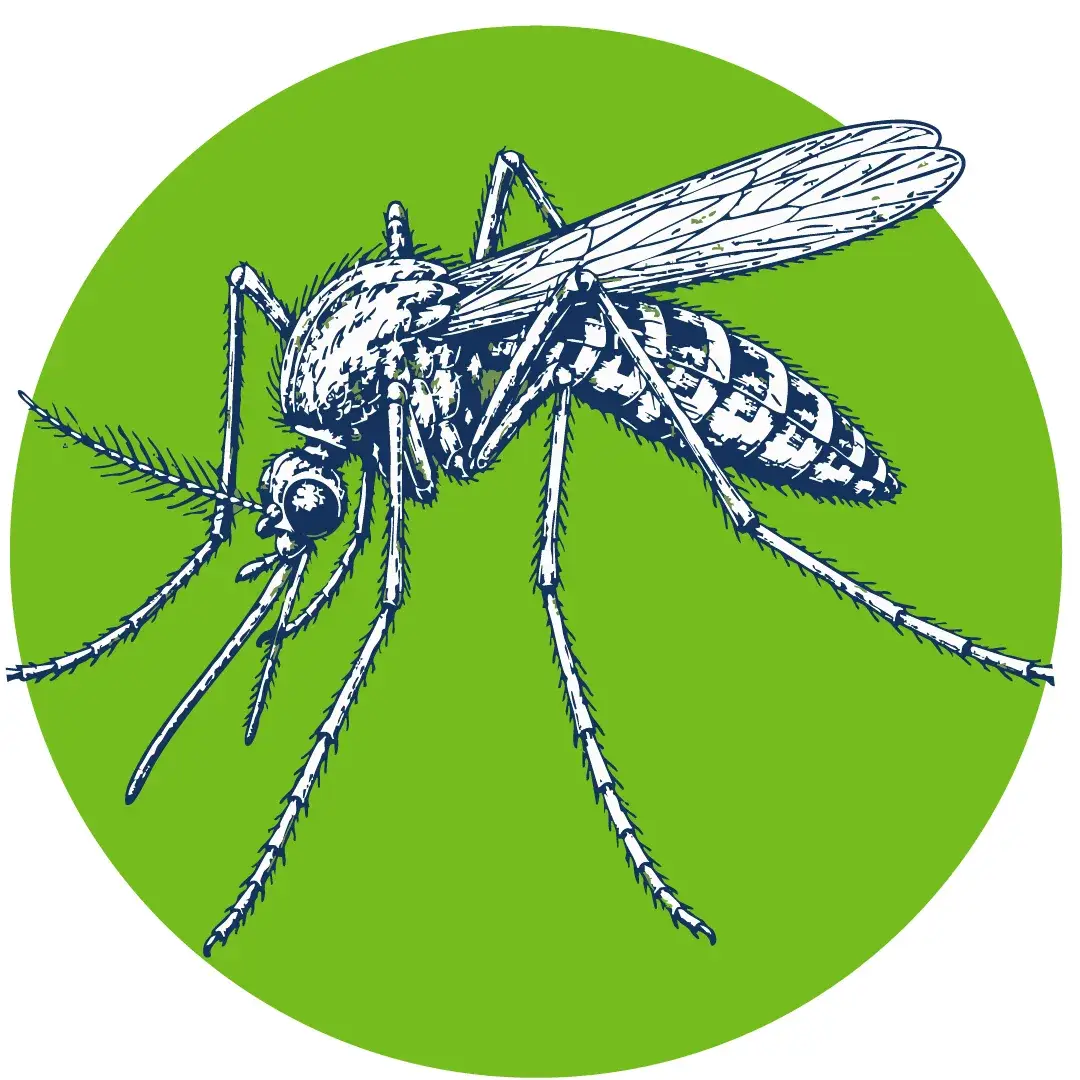
Utah summers are beautiful. Mosquitoes agree. They breed in standing water — irrigation runoff, clogged gutters, bird baths — and your yard probably has more of it than you think. We treat the perimeter and the problem areas so you can eat outside again without losing a pint.
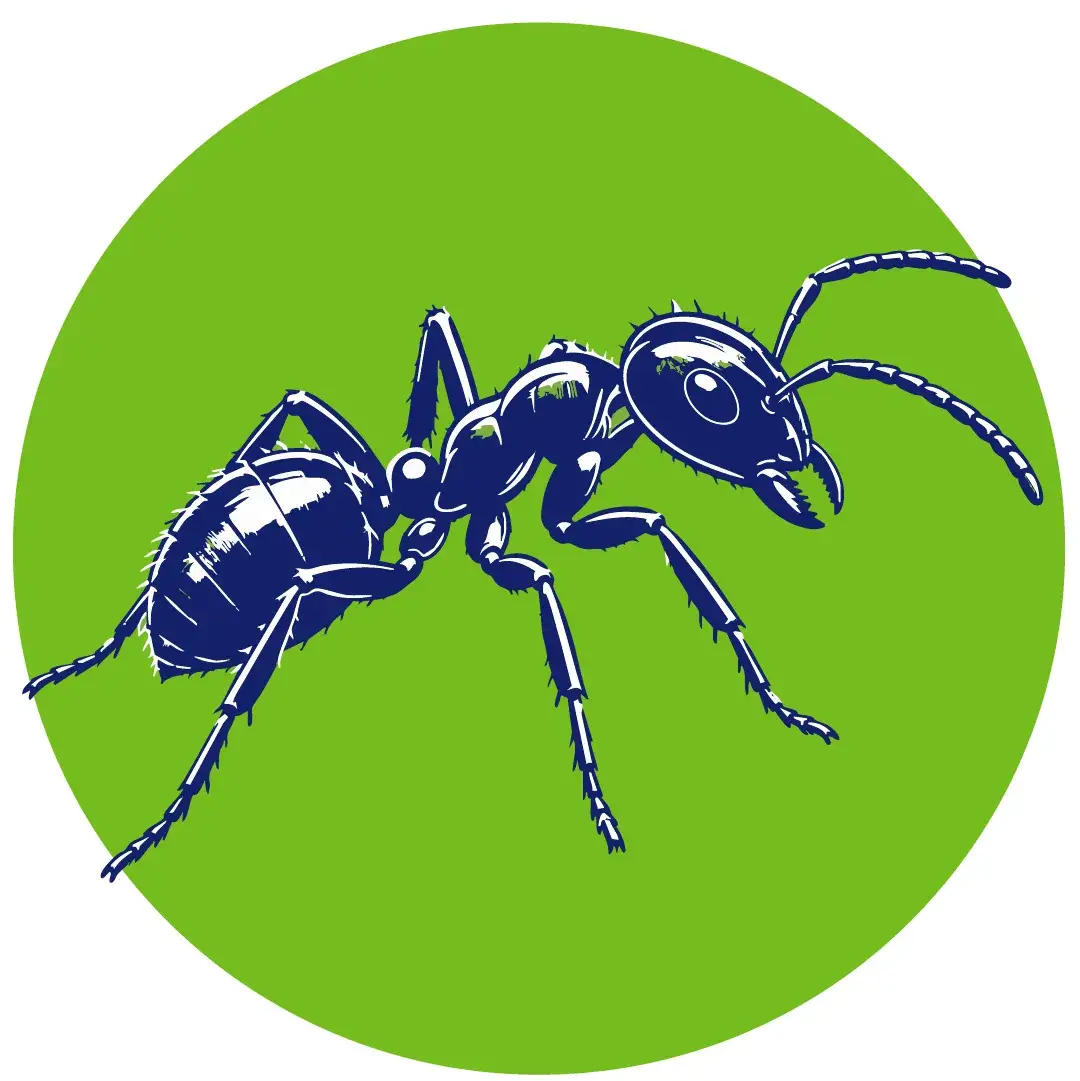
Ants don't sneak in — they march. One scout finds a crumb on your counter and within the hour you've got a parade. In Utah, pavement ants and sugar ants are the usual suspects, and they're not easily discouraged by the spray-and-pray approach. We treat entry points outside before they set up shop inside.
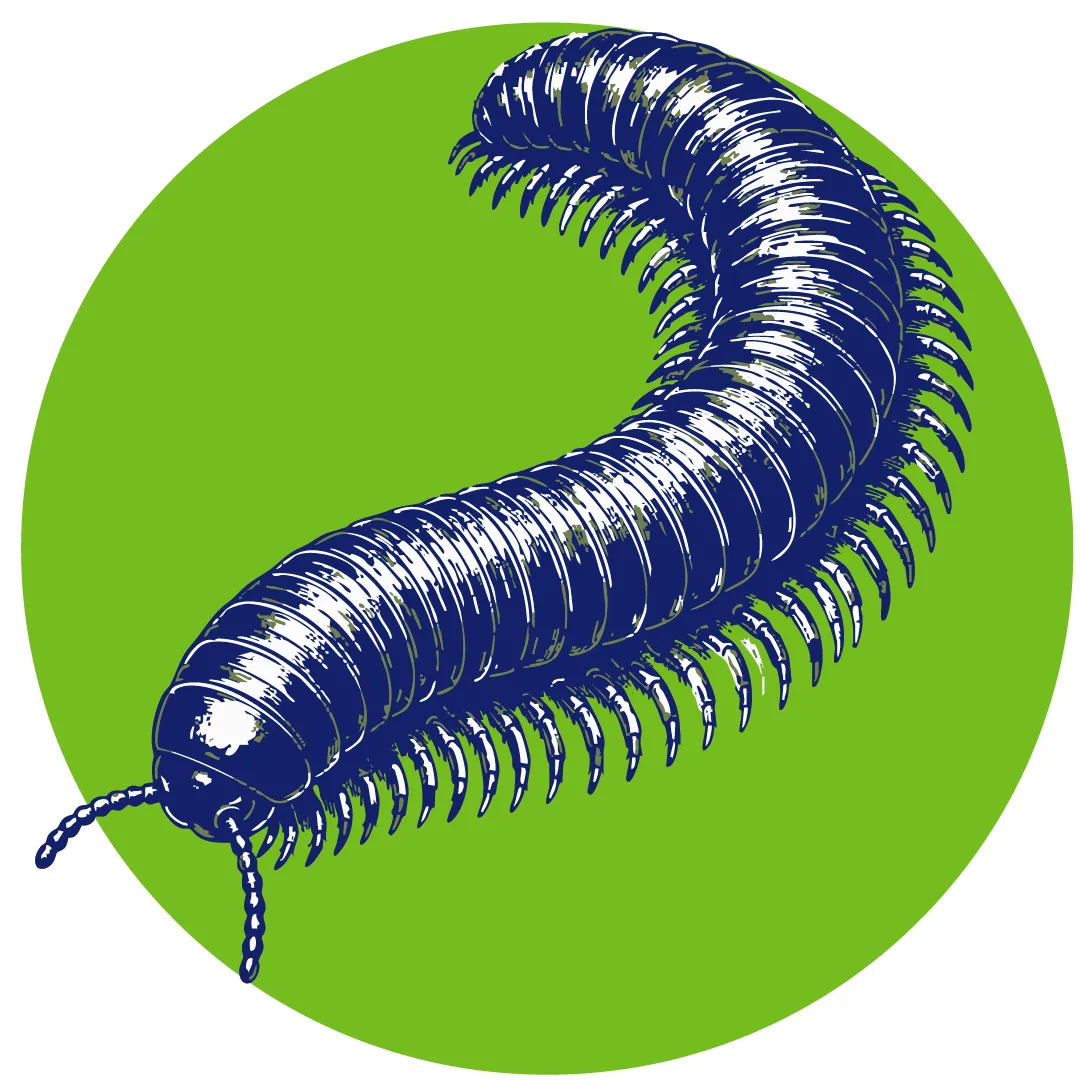
They look like something from a nightmare, they don't bite, and they serve zero useful purpose in your home. Millipedes show up in Utah basements and crawl spaces when outdoor conditions get too wet or too dry — which, with Utah's climate swings, is basically always. One is a curiosity. A dozen is a problem.
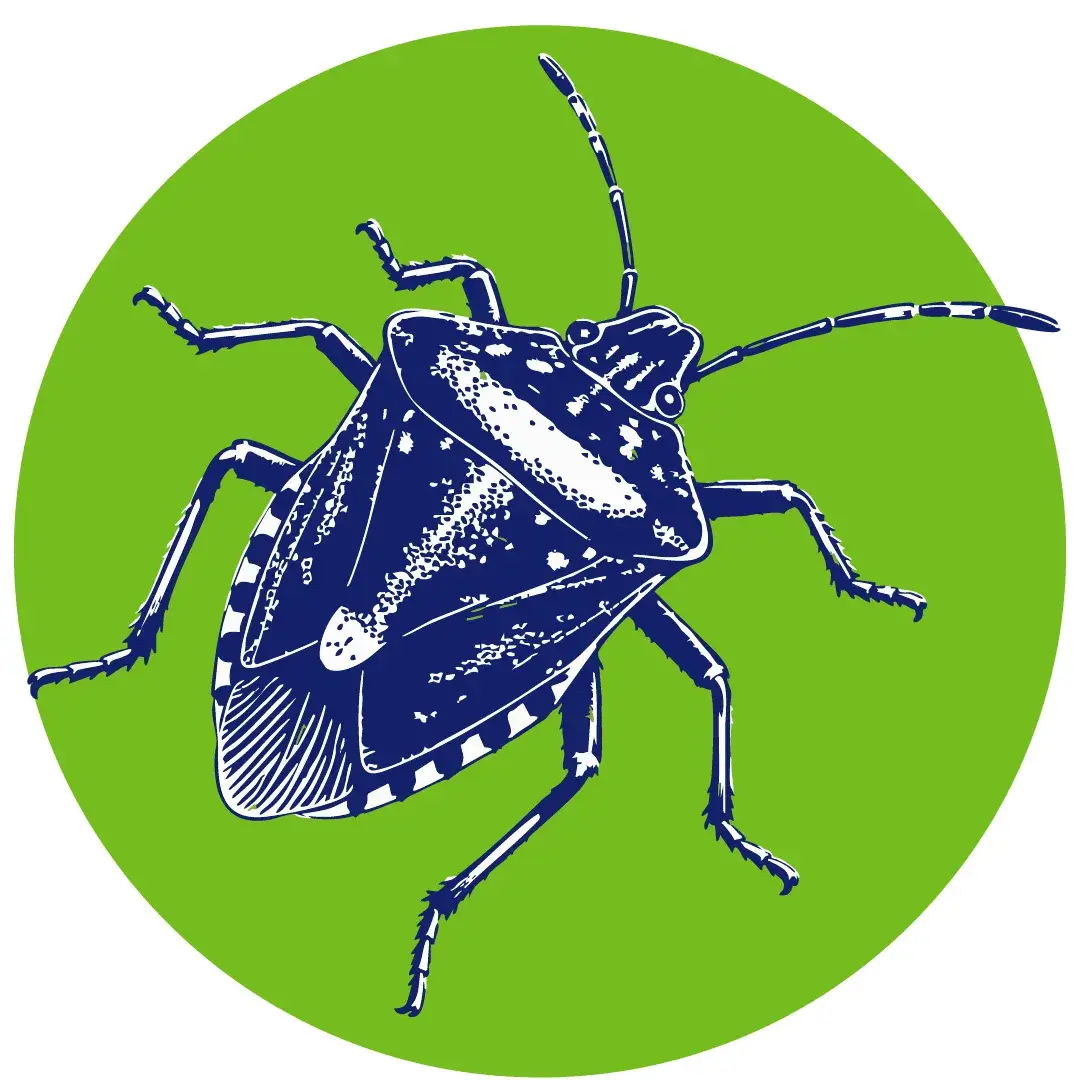
Brown marmorated stink bugs have been spreading across Utah for years, and they've earned their name — crush one in a panic and you'll know exactly what we mean. They overwinter inside walls and warm spaces, which makes fall treatment timing critical. The window to act is before they move in for the season, not after.
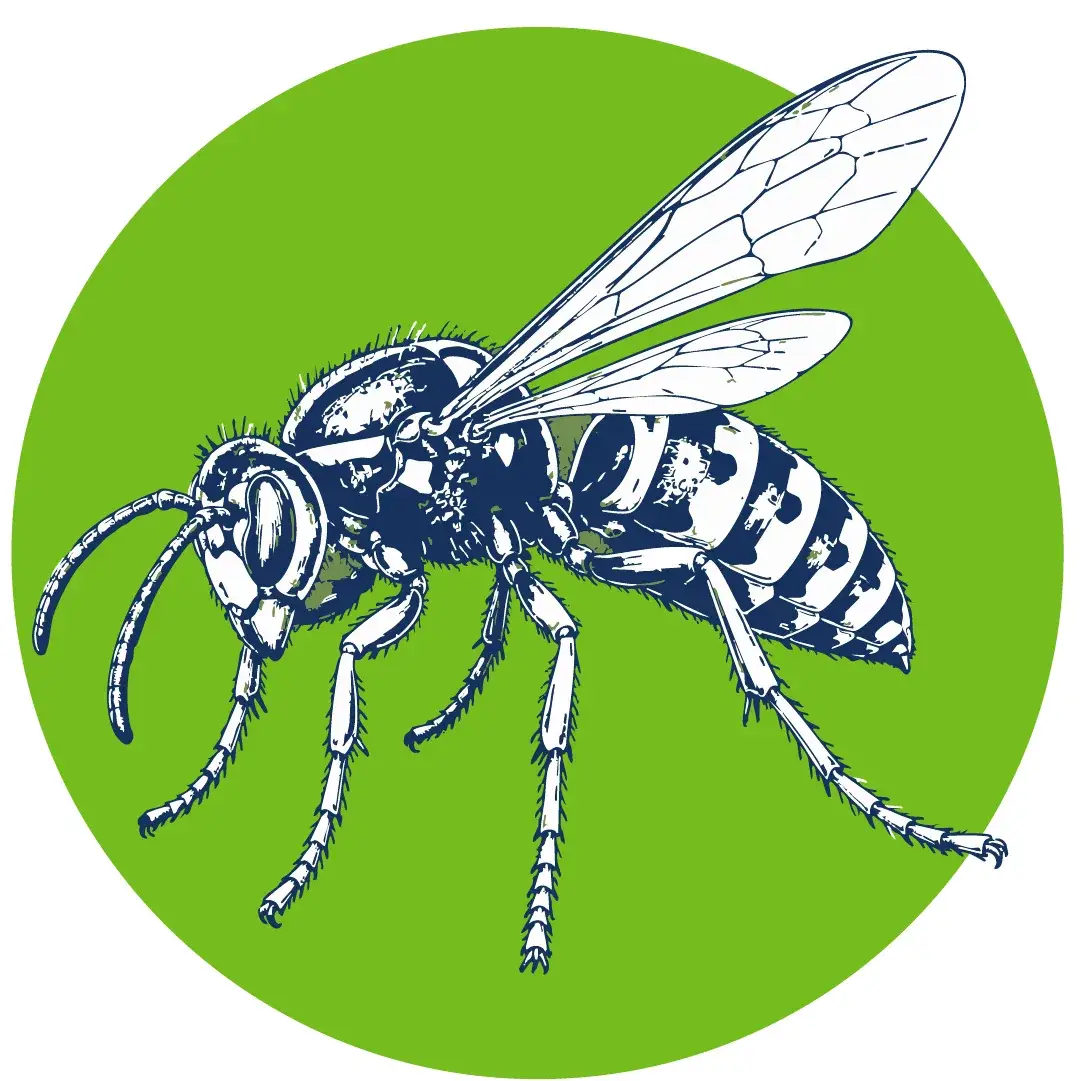
Wasps are a Utah summer tradition nobody signed up for. Paper wasps, mud daubers, and European hornets all thrive here, and they build fast — a fist-sized nest in June is a full colony by August. August is peak aggression season in Utah. If you're calling us in September, we'll handle it. But earlier is better for everyone involved.
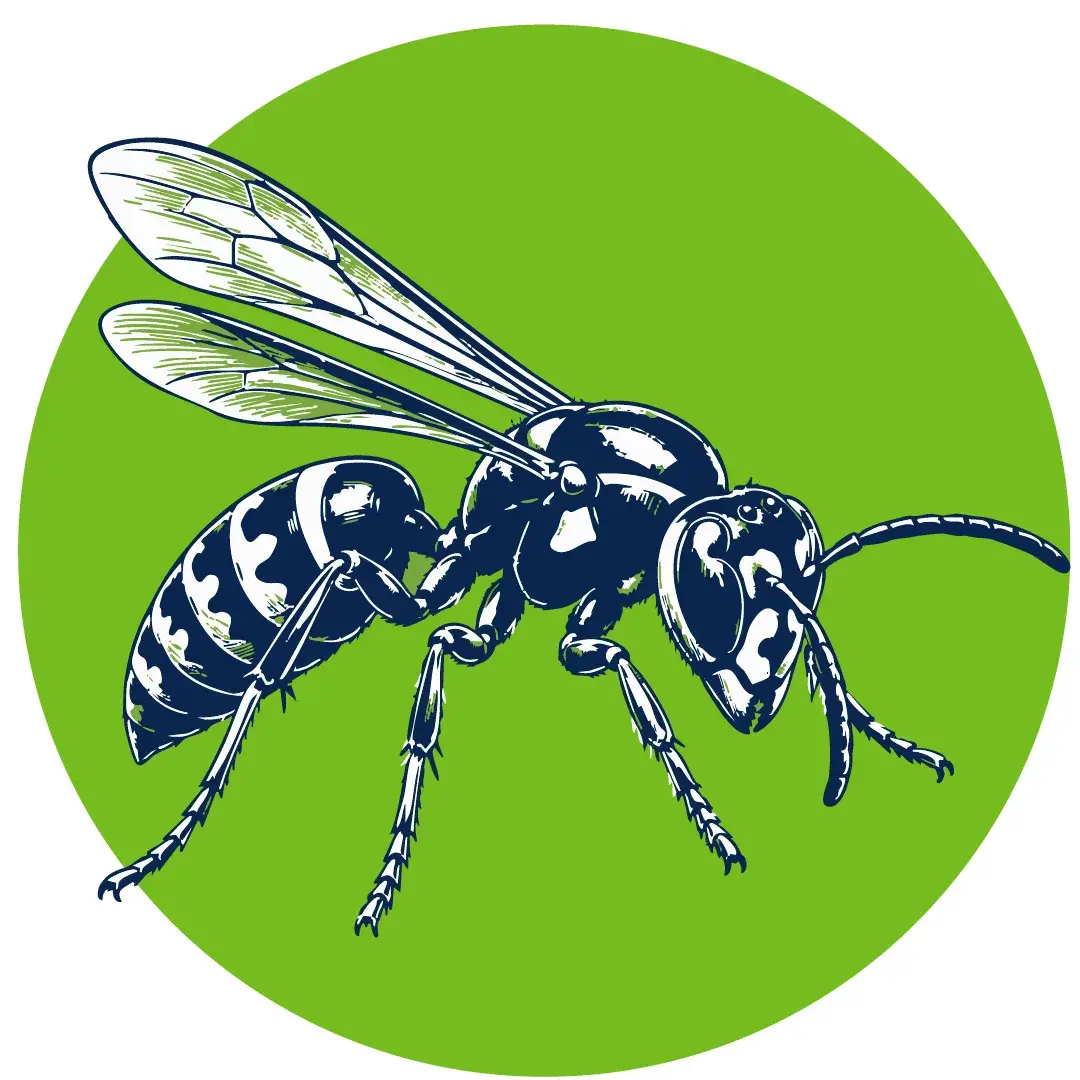
If wasps are aggressive, yellow jackets are wasps with a grudge. They nest underground, in walls, under decks — places you find by accident, usually while mowing. Unlike bees, they sting repeatedly and don't need a reason. Utah's long, warm summers give them plenty of time to grow a large colony before you know they're there.
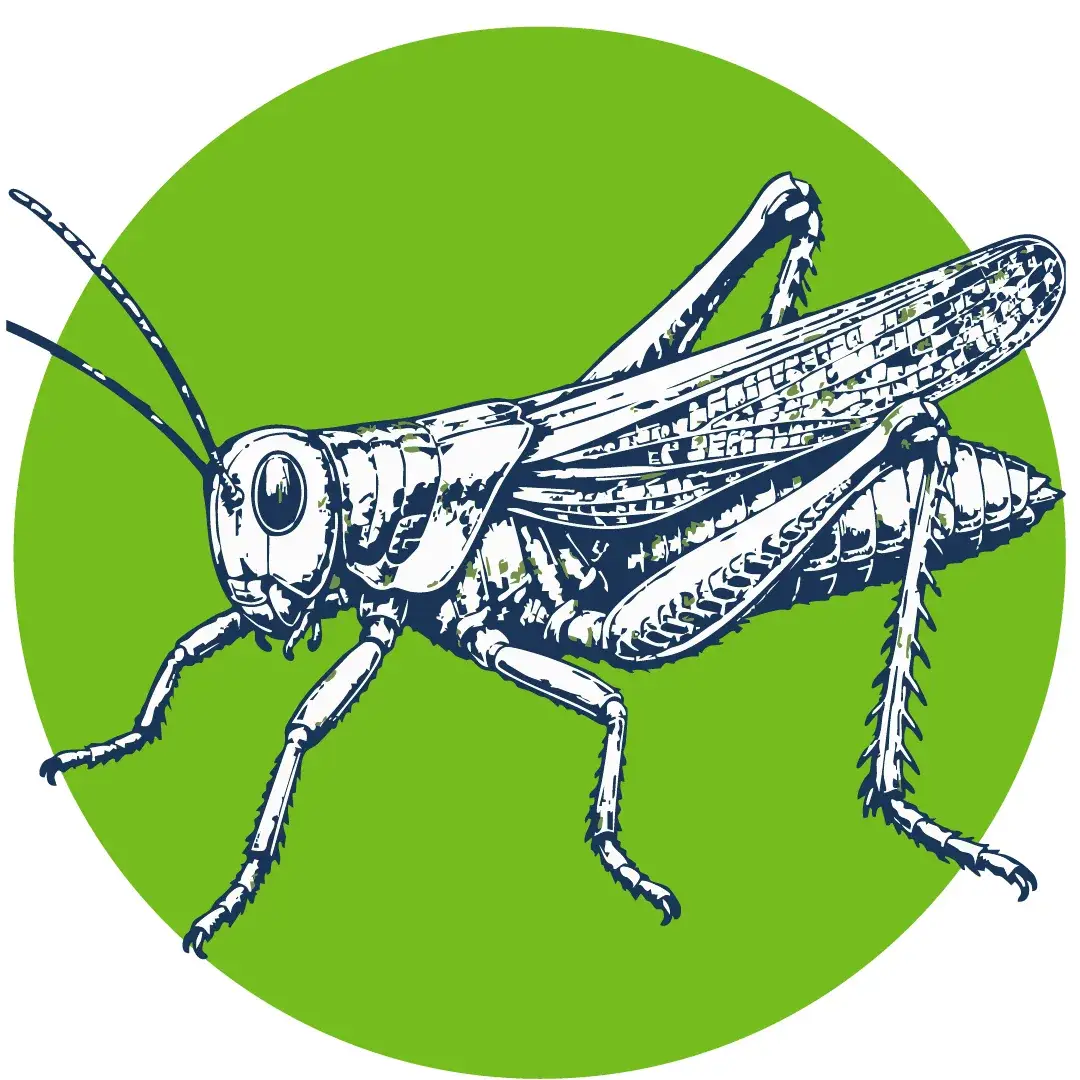
Utah has grasshopper outbreaks. Not "a few in the yard" outbreaks — "stripping a garden down to nothing in 48 hours" outbreaks. The Intermountain West has some of the highest grasshopper pressure in the country, and when populations spike, they move fast and they're not polite about it. Treatment timing and perimeter barriers matter more than the product itself.
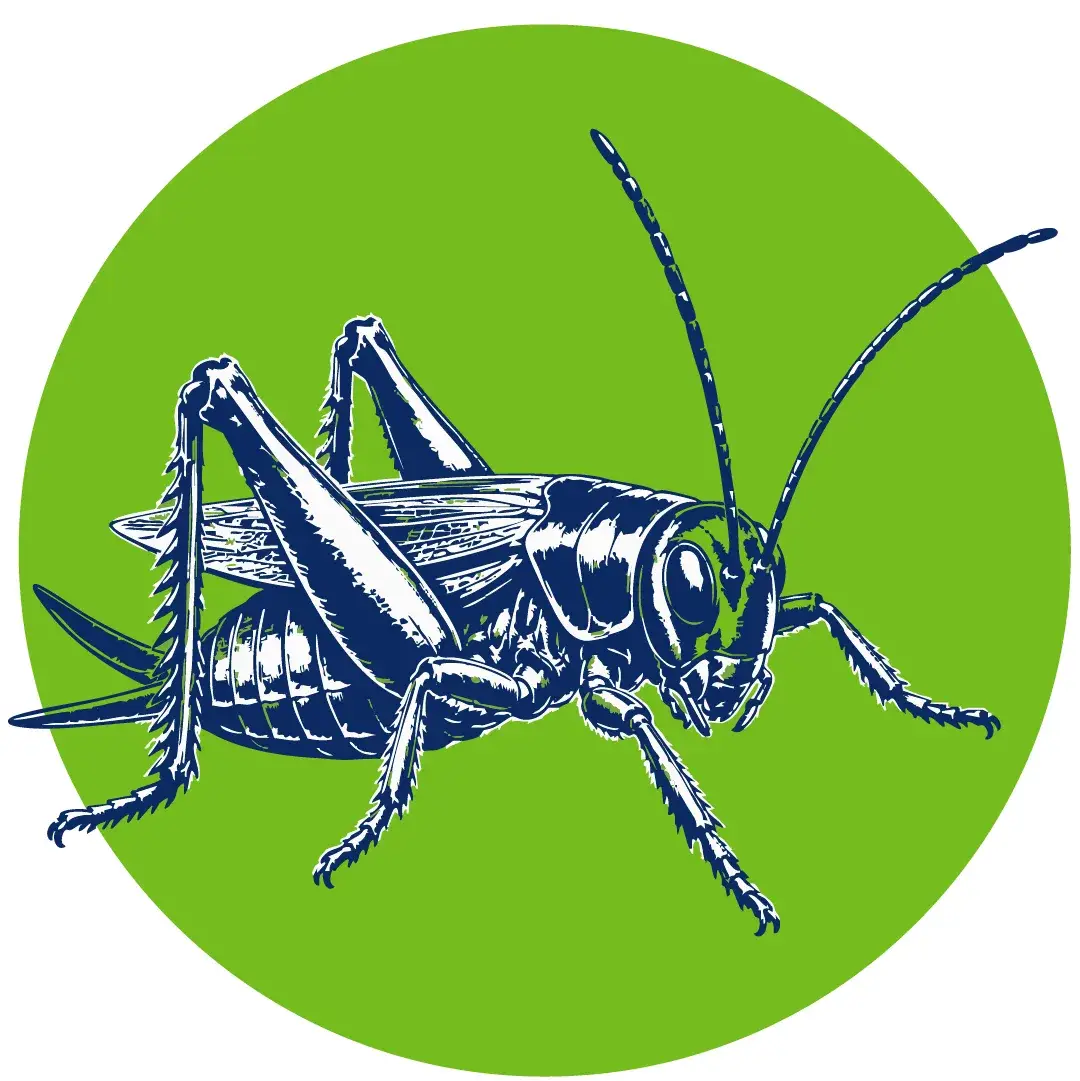
Outside, crickets are fine. They're part of the Utah summer soundtrack. Inside your house at 2am, a single cricket becomes the loudest thing you've ever heard. House crickets and camel crickets (the large, unsettling basement variety) both find their way indoors as temperatures drop in the fall. We seal the invitation before they accept it.
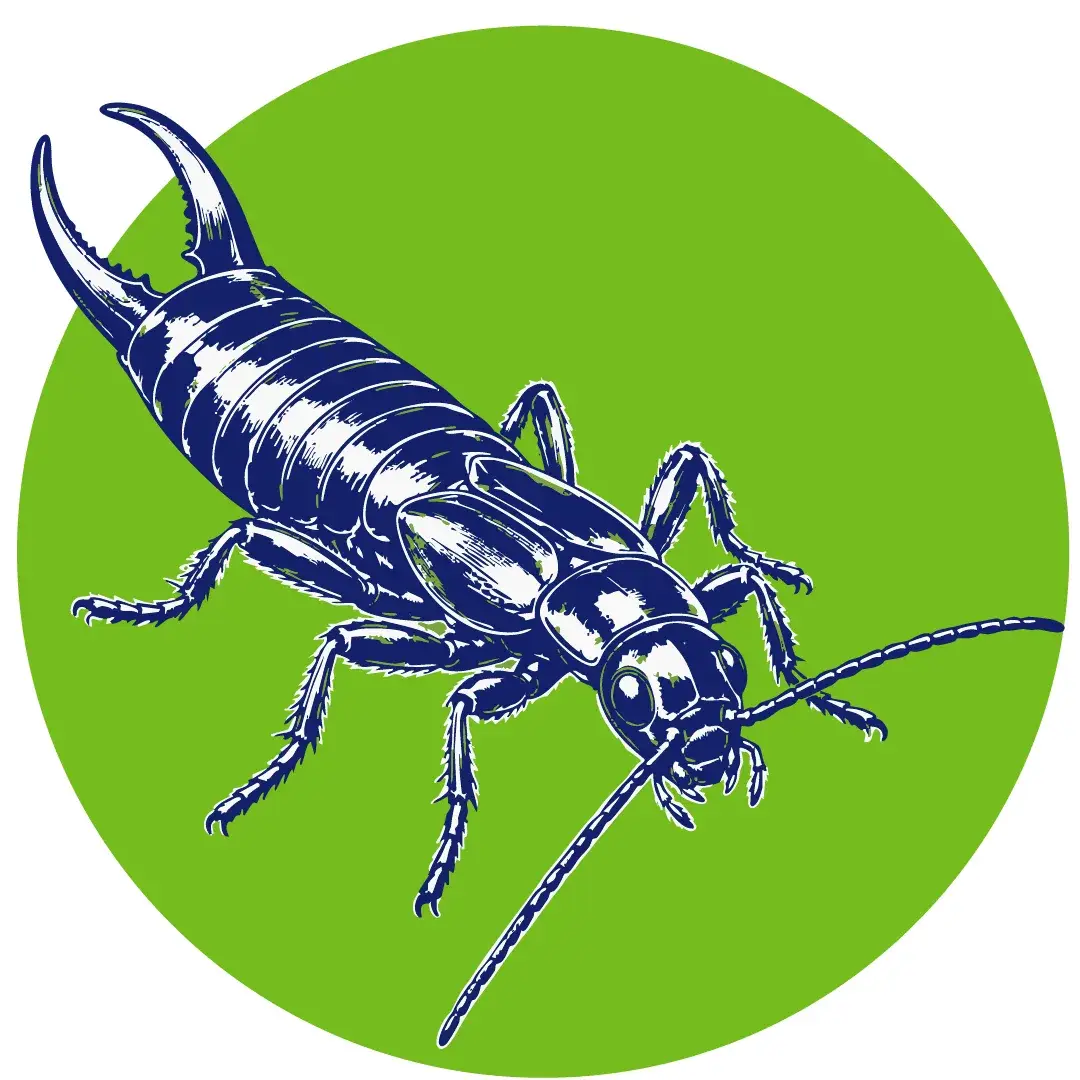
Earwigs do not crawl into ears. That's a myth. What they actually do is damage garden plants, hide in damp mulch, and appear in your bathroom at the worst possible time. Utah's garden-heavy yards give them prime habitat right next to your foundation. Treating the perimeter keeps them outside where they belong — which is still not great, but significantly better.
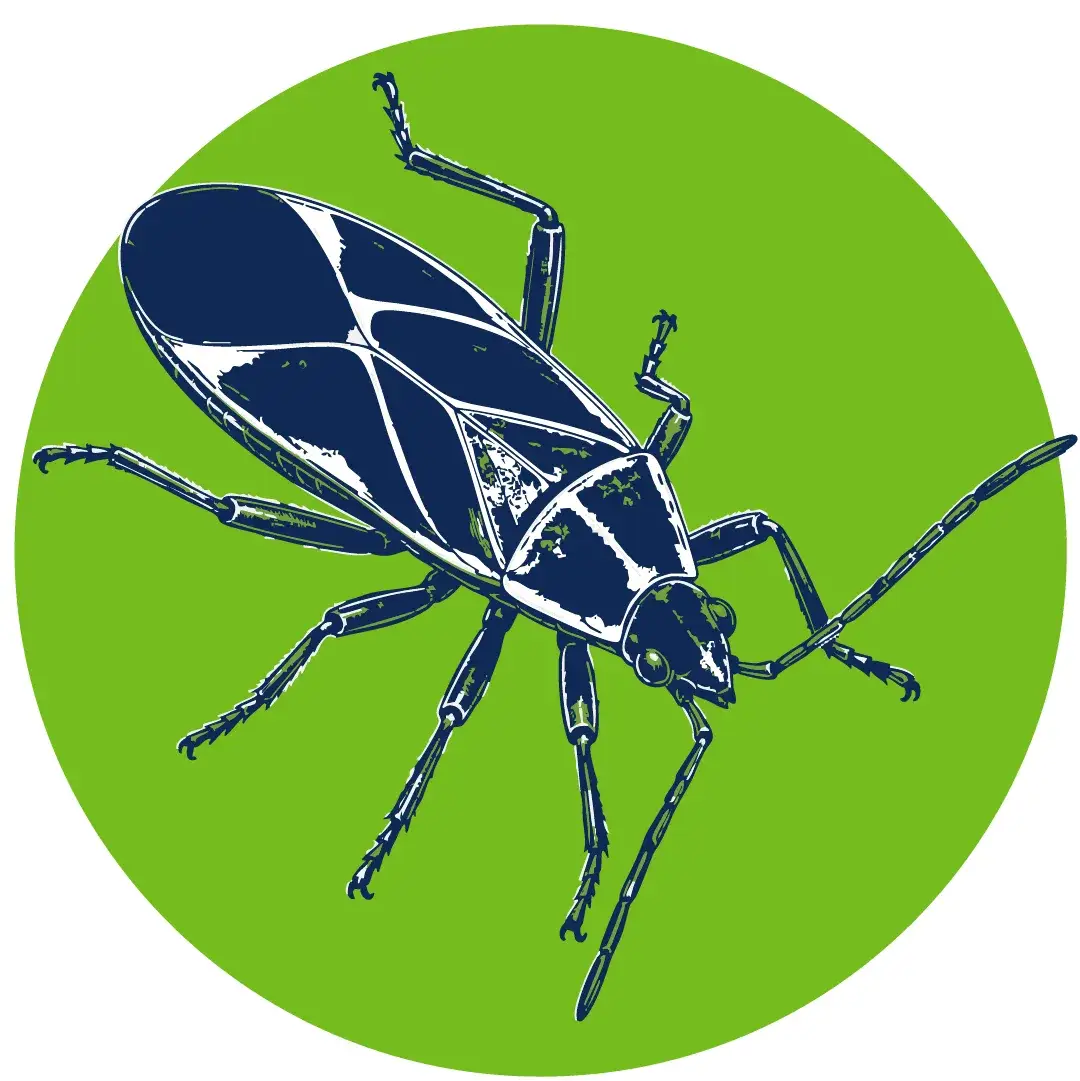
If you have box elder trees in your yard — or your neighbor does — you have box elder bugs. They're practically a Utah rite of passage. They're harmless, they don't bite, and they won't damage your home, but they congregate by the hundreds on south-facing walls and slip inside as temperatures drop. They're more "extremely annoying" than "dangerous," but annoying enough that most people want them gone.
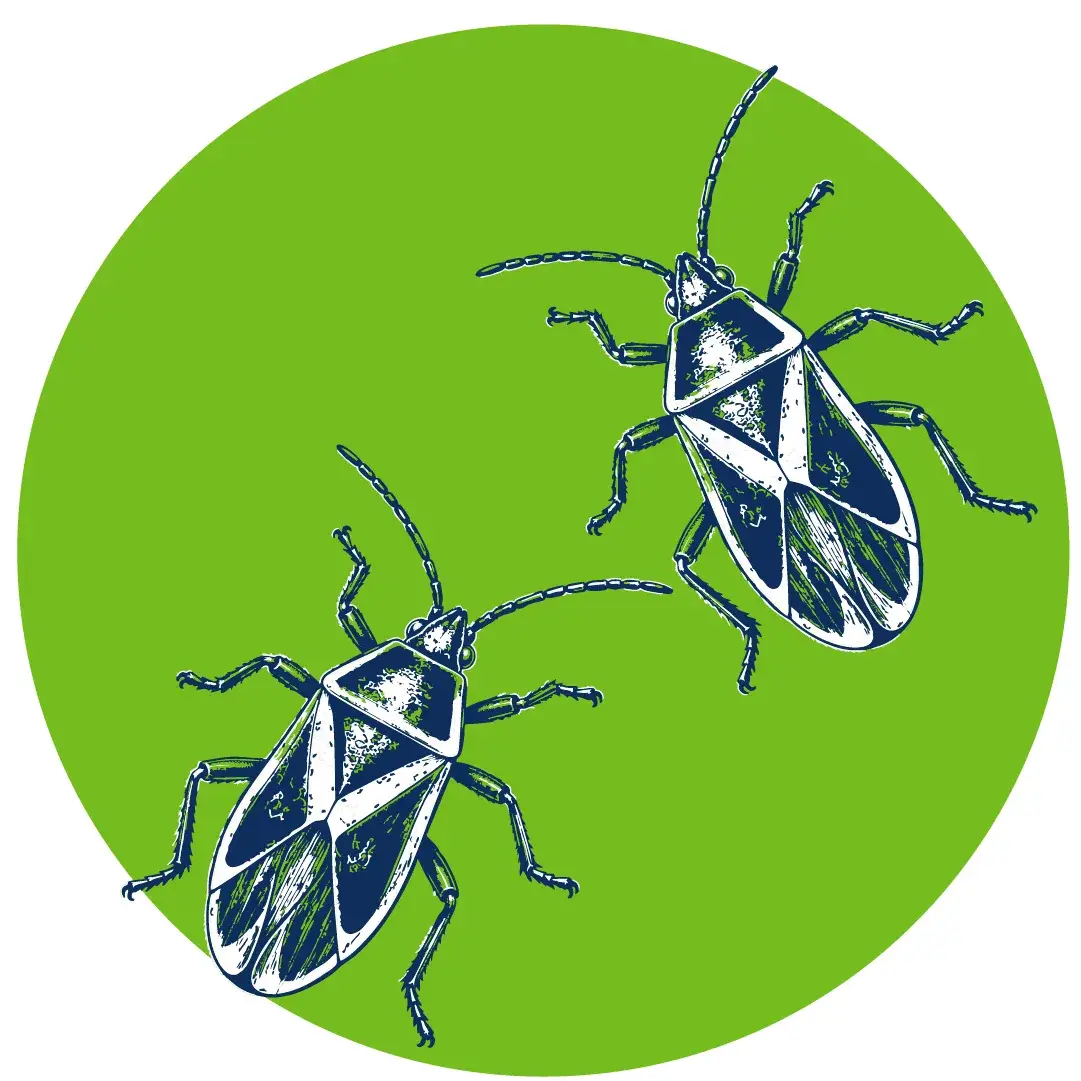
Siberian elms are everywhere in Utah, and where there are Siberian elms, there are elm seed beetles. They feed on elm leaves all summer, drop from trees, and make their way into homes in fall to overwinter — in large numbers, fast. Exterior treatment in late spring and early summer is the window that actually matters. By the time you're seeing them inside, you've missed the easier intervention.
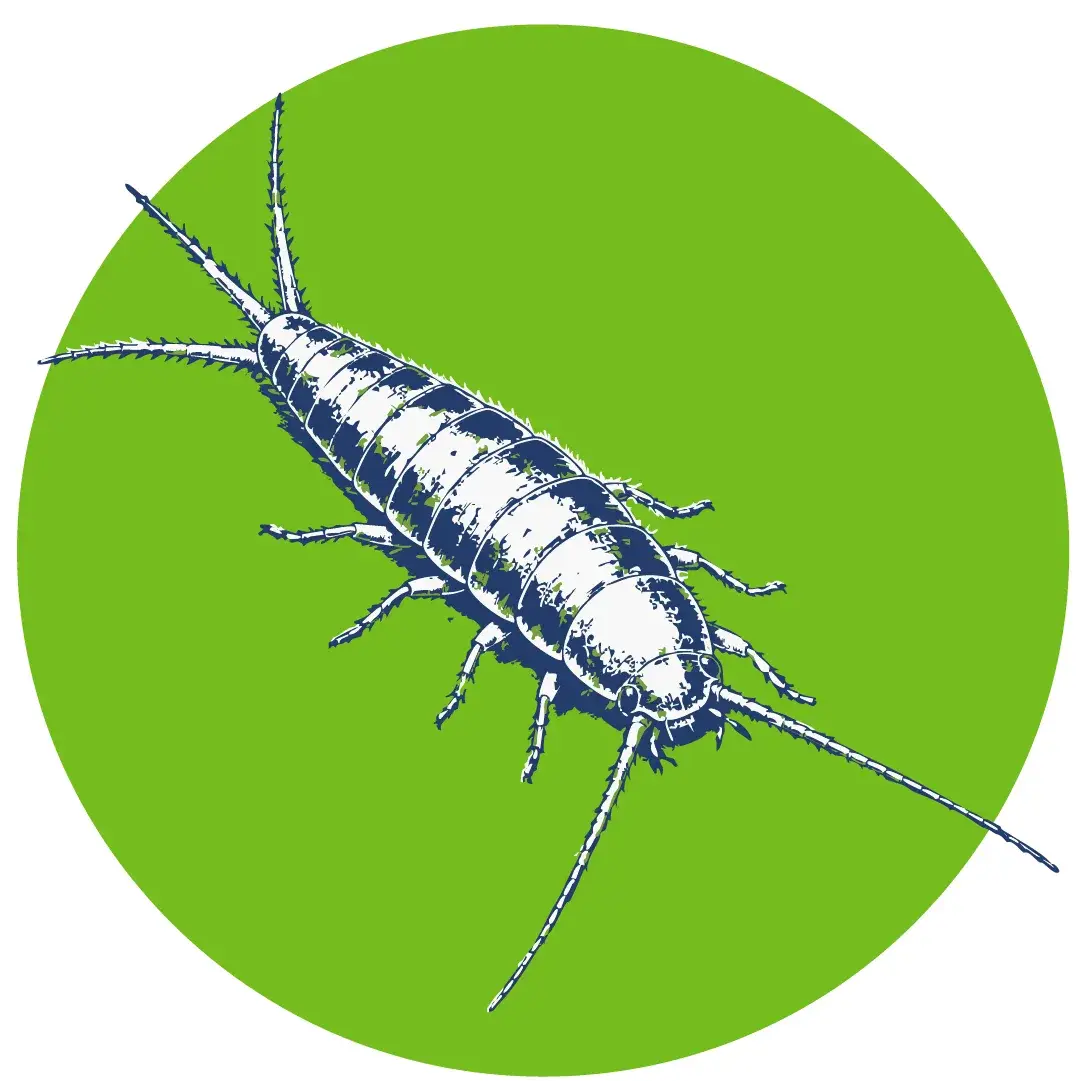
Silverfish have been around for 400 million years, which means they were here before your house and they plan to outlast it. They eat paper, fabric, and starchy materials, and they move surprisingly fast for something that looks like it swam out of the Paleozoic Era. Bathrooms and basements are the usual Utah entry points. Not dangerous — just deeply unsettling, and worth handling.
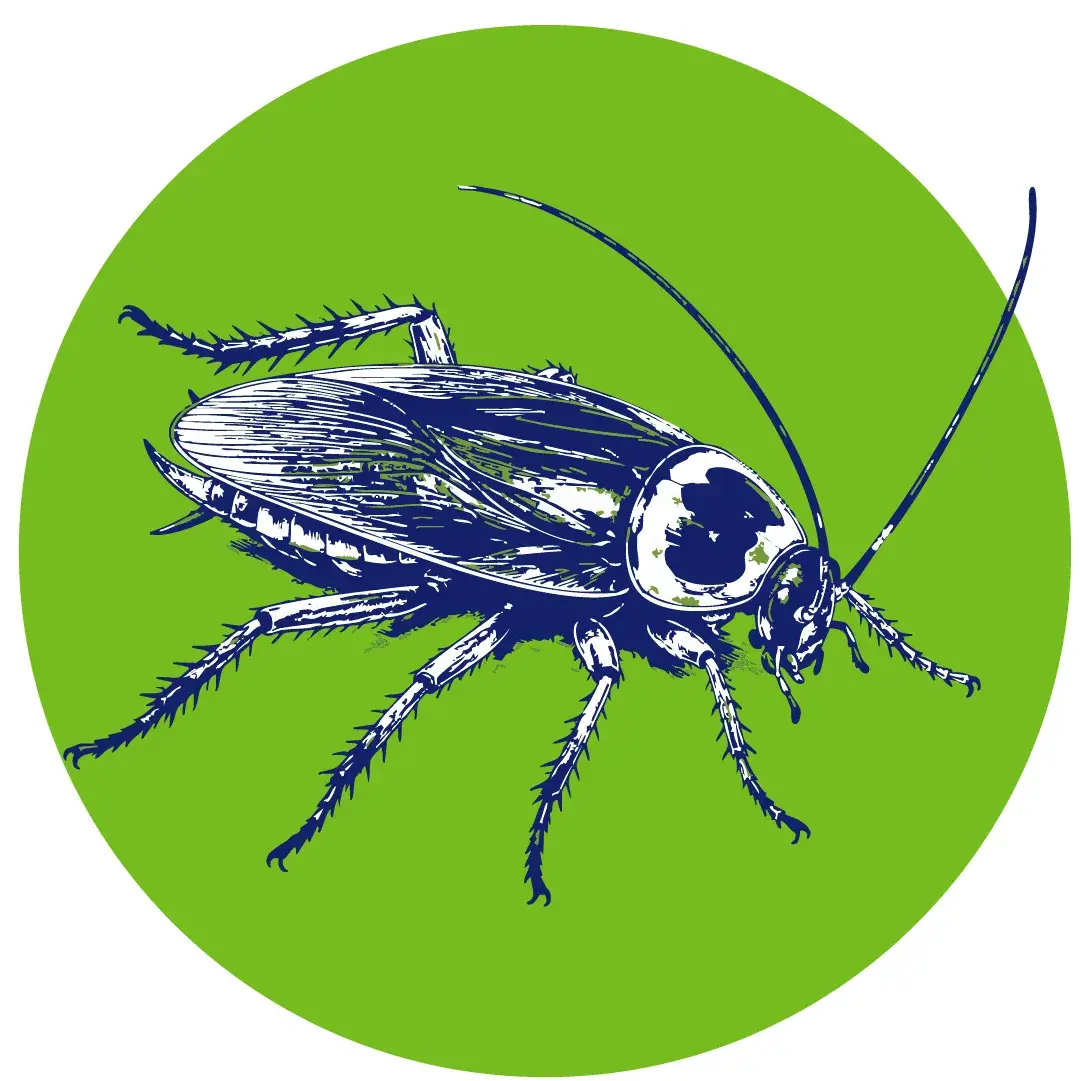
German cockroaches are the most common cockroach in Utah, and they multiply faster than most people realize. A few become dozens in a matter of weeks. They're nocturnal — if you're seeing them during the day, the population is already significant. We don't just treat where you're seeing activity. We treat the harborage areas they're reproducing in.
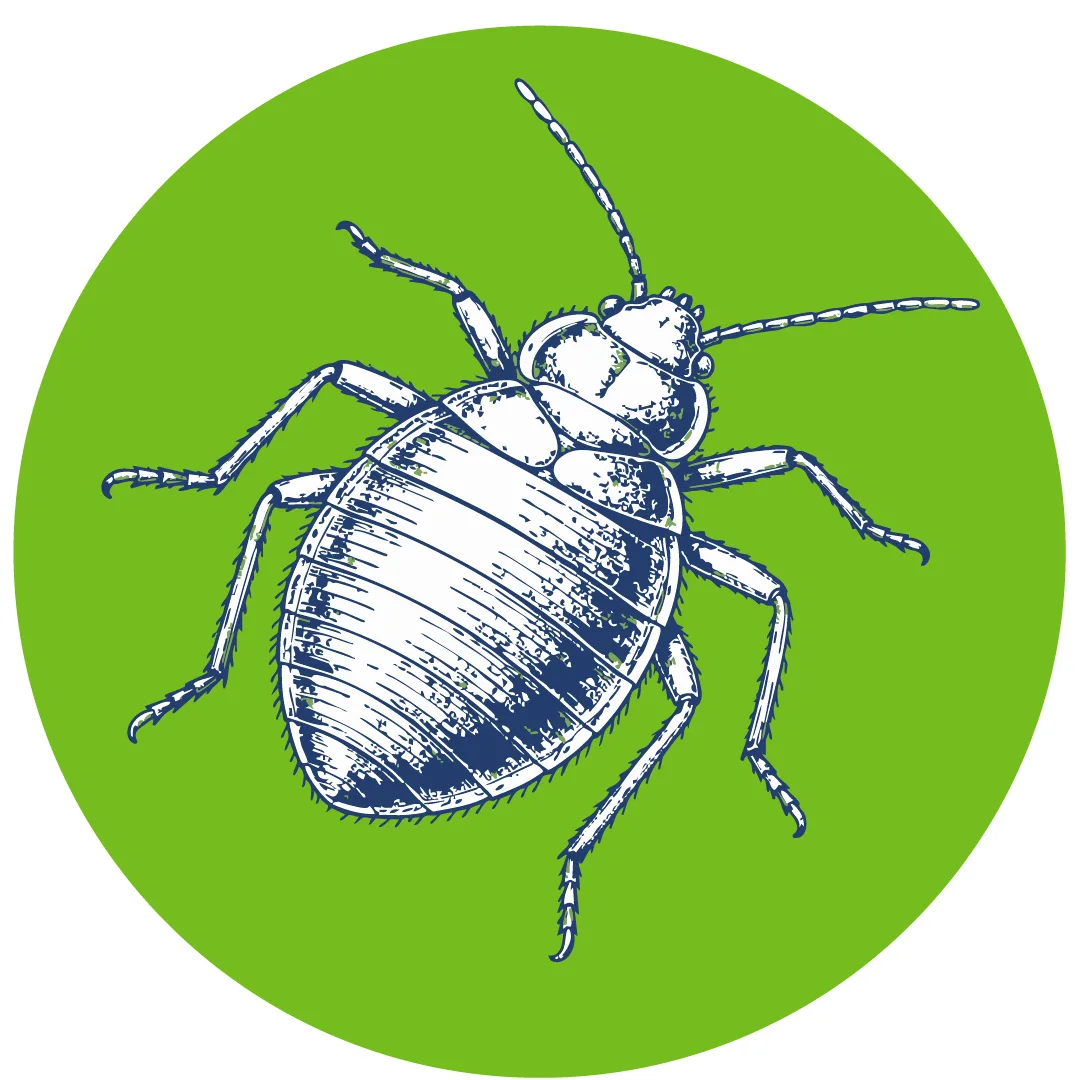
Bed bugs are not a hygiene problem. They're a travel problem — hotels, used furniture, luggage — and they don't care how clean your house is. Once they're established, they're genuinely difficult to eliminate, and there is no one-spray solution. We'll tell you that upfront, before we start. We treat the infestation comprehensively or we don't take the job.
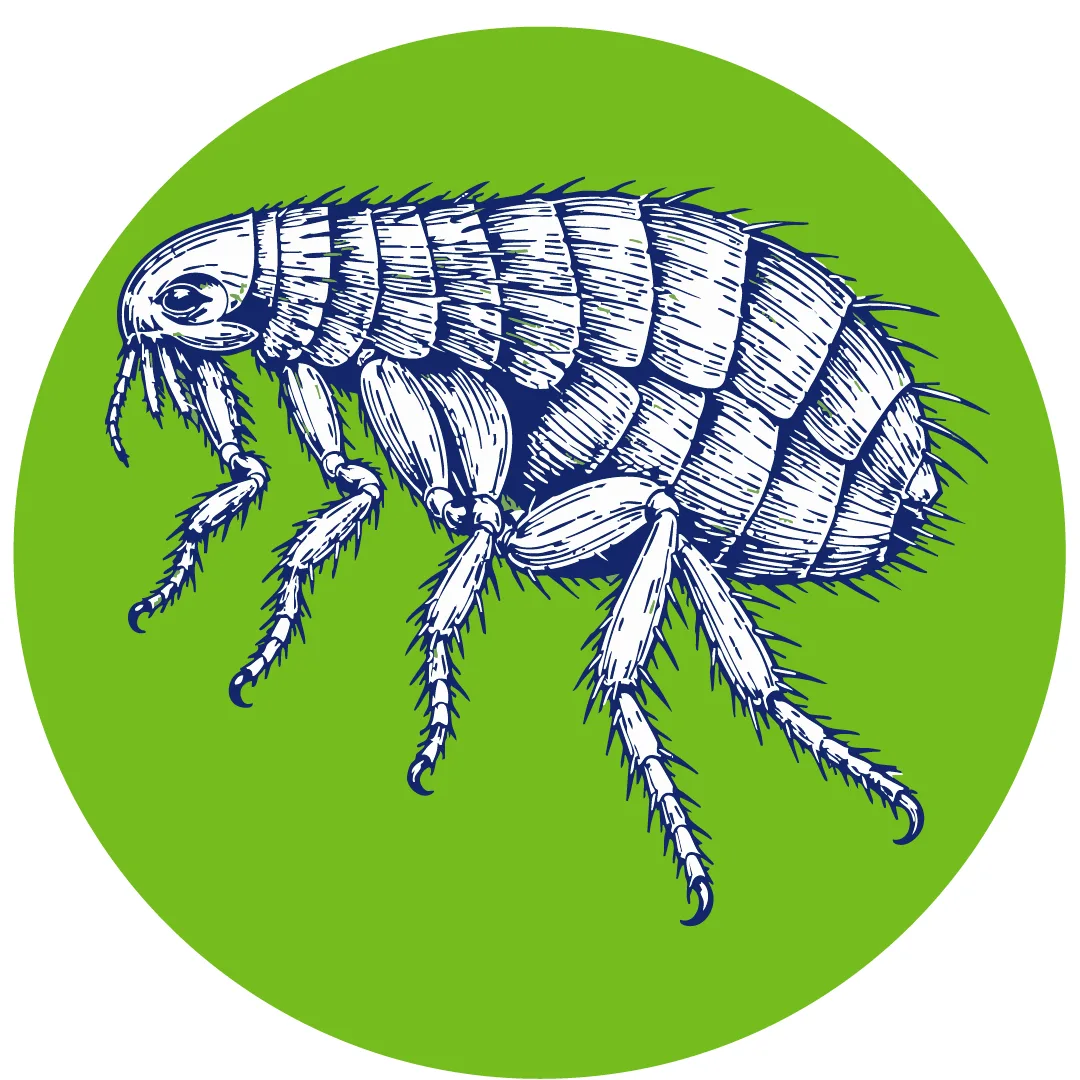
You don't have to have a pet to get fleas. Previous tenants, wildlife near the foundation, a neighbor's dog — fleas find a way. In Utah, flea season tracks with warm weather and once they're established in carpet and upholstery, they're difficult to eliminate without treating both the inside and the yard simultaneously. We do both, because one without the other is just delay.
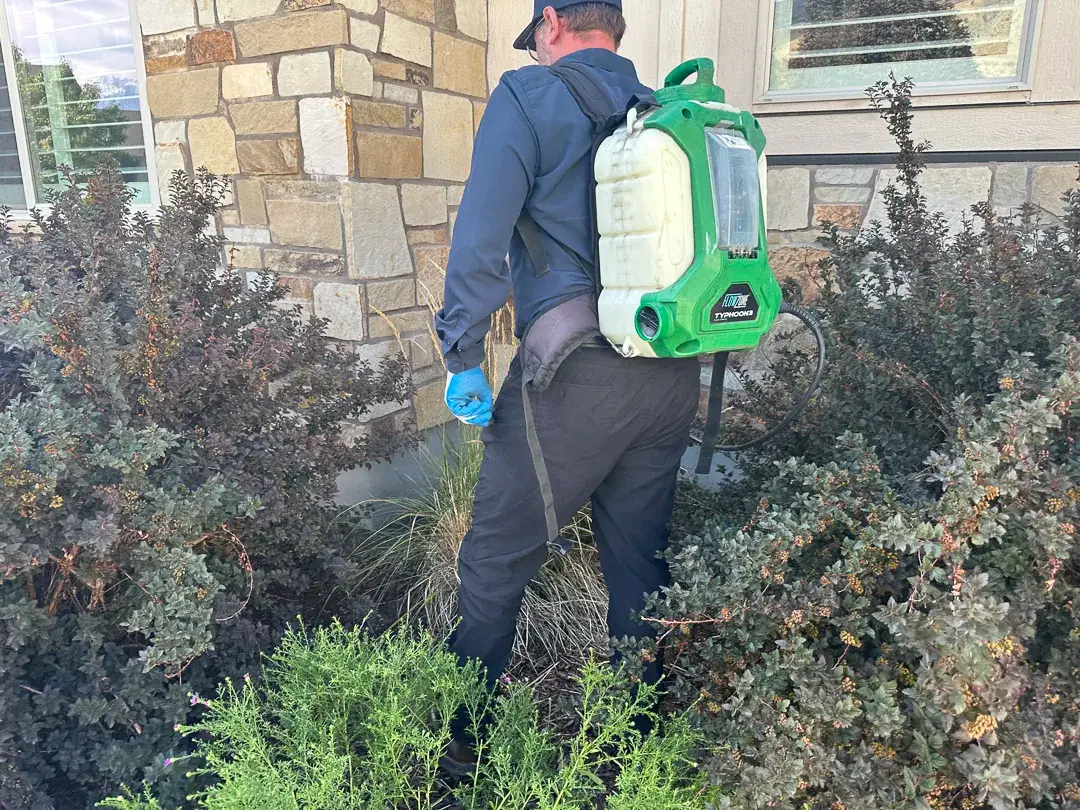

A mouse can fit through a gap the size of a dime, and Utah's canyon-adjacent properties and agricultural edges give them plenty of access routes. Fall is when they start looking for warmth, and they're not particularly picky about whose home they choose. Deer mice in particular carry hantavirus, which makes this more than a nuisance issue. We find the entry points and close them — not just set traps and hope.
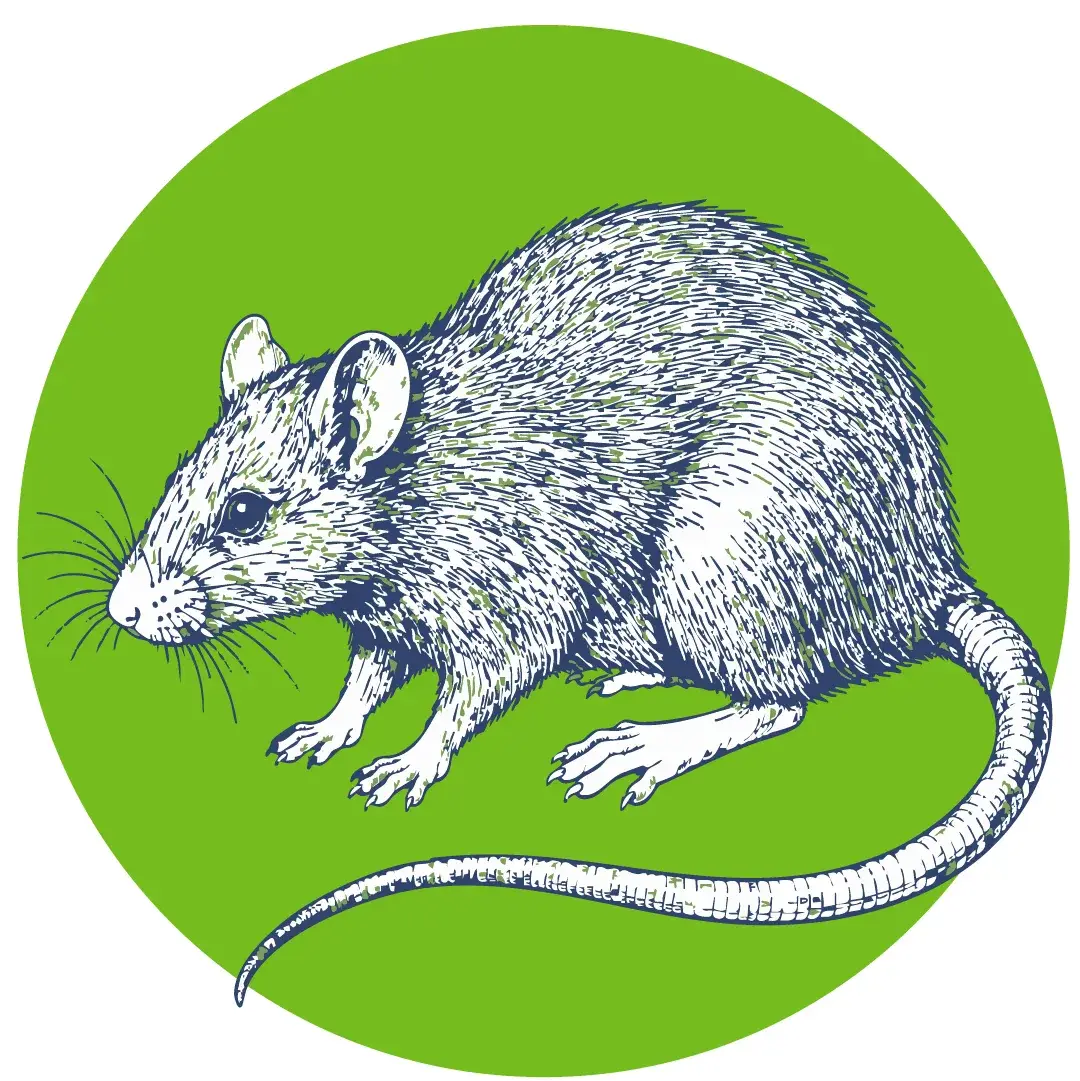
Norway rats are the common Utah variety — burrowing, chewing through walls, contaminating food storage. They're smarter than most people expect, which is why bait placement and entry-point identification matters far more than just putting out a few snap traps. That's not a rat strategy. We treat it like the structural problem it is, because it is.

If your lawn has meandering surface runways cutting through the grass, that's voles — not moles. Voles are small rodents that live in the turf itself, eat roots and grass, and can do significant lawn damage over a single Utah winter under snow cover. Irrigated Utah yards are prime vole territory, and they reproduce fast enough that waiting to treat is rarely the right call.

Pocket gophers are underground engineers with no regard for your landscaping investment. One gopher can push up multiple mounds a day and destroy root systems across a wide area without ever breaking the surface. Utah's clay soil doesn't slow them down — they've adapted to it. Unlike voles (surface runners) or moles (insect hunters), gophers are herbivores eating exactly what you planted.