Utah is home to more than 600 documented spider species. Of the ones you’ll actually run into in a Utah County home, exactly one is medically significant: the western black widow. Everything else crawling across your basement floor in September (the big brown fast one, the fuzzy little jumper, the red one under the flowerpot) is somewhere between harmless and mildly annoying.
That’s the short answer. The longer answer is worth knowing, because Utah spiders have a way of showing up at the worst moments (August, ankle height, in the tub), and knowing what you’re looking at is the difference between shrugging and calling someone. This guide covers the spiders Utah homeowners actually see, organized the way people actually describe them to us on the phone: “there’s a big red one,” “it’s white and it was on my flowers,” “it jumped.”
The Venomous Spiders in Utah (It’s a Short List)
Western Black Widow: The One That Matters
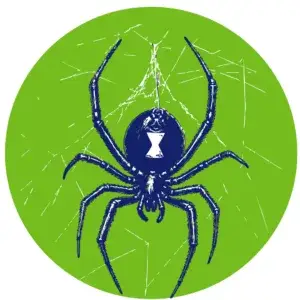
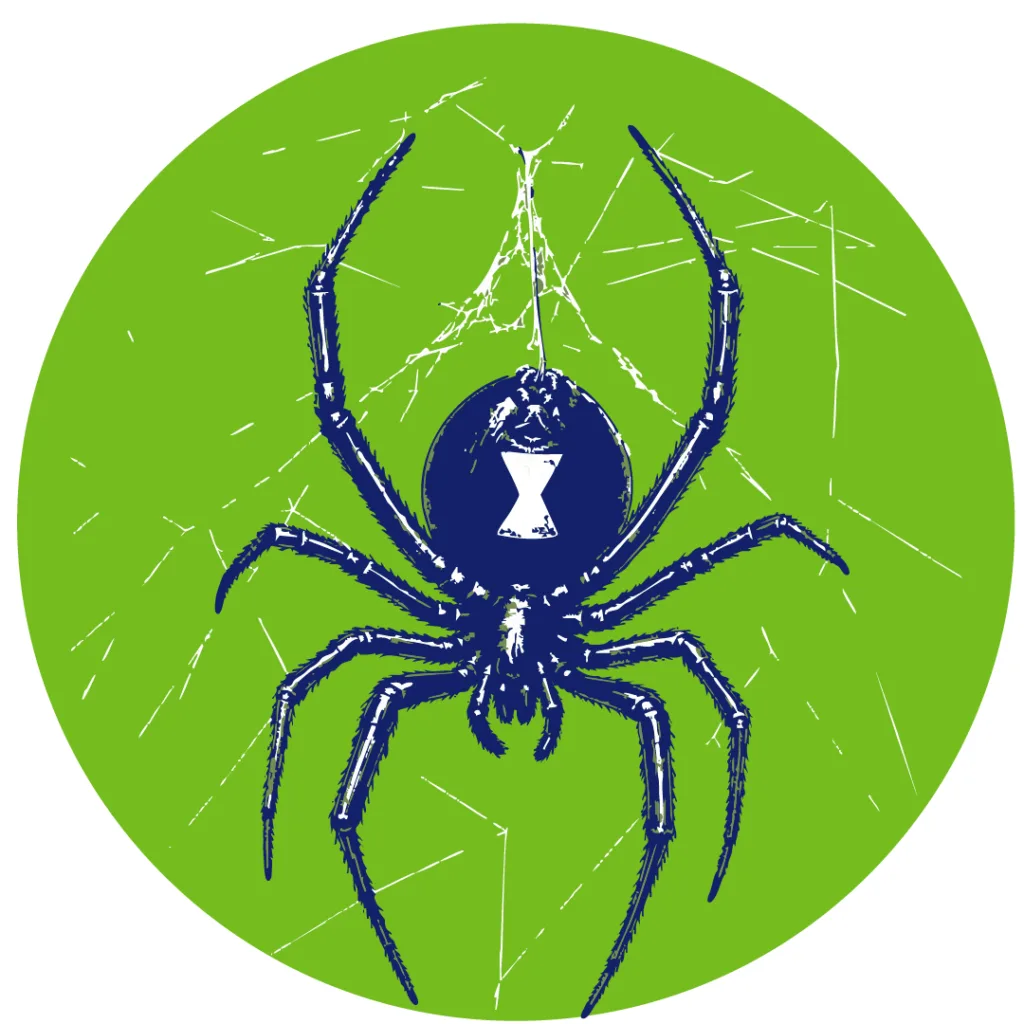
The female western black widow is unmistakable once you’ve seen one: a shiny jet black body, a round, bulbous abdomen and a red hourglass on the underside. She builds a messy, strong, irregular web low to the ground in places nobody disturbs: window wells, garages, woodpiles, water meter boxes, under deck steps, behind stored boxes and, yes, inside shoes left in the garage.
Black widow venom is neurotoxic. A bite can cause intense muscle cramping (often in the abdomen and back), sweating, nausea and pain that radiates well beyond the bite site. Fatalities are extremely rare, but bites are genuinely miserable, and children, older adults and anyone with health complications should get medical attention promptly. If you can safely capture or photograph the spider for identification, do it.
The good news: black widows are shy, sedentary and predictable. They stay on their web. If you’re finding them, it’s because the clutter and undisturbed corners around your home are giving them room to operate, and that is fixable.
Desert Recluse: Southern Utah Only
Here’s the myth buster: brown recluse spiders are not established in Utah. The species Utahns worry about after reading horror stories online simply doesn’t live here. A related species, the desert recluse, does occur in the far southwestern corner of the state around St. George. But if you live along the Wasatch Front, the “brown recluse” in your basement is a hobo spider, a grass spider or a wolf spider.
The Hobo Spider: Utah’s Most Wrongly Accused Resident
For decades the hobo spider carried the nickname “aggressive house spider” and got blamed for bites that damaged skin. Current research has walked nearly all of that back. Studies have failed to verify hobo bites causing tissue damage, and the hobo is no longer considered medically significant. For most people a bite is comparable to a bee sting.
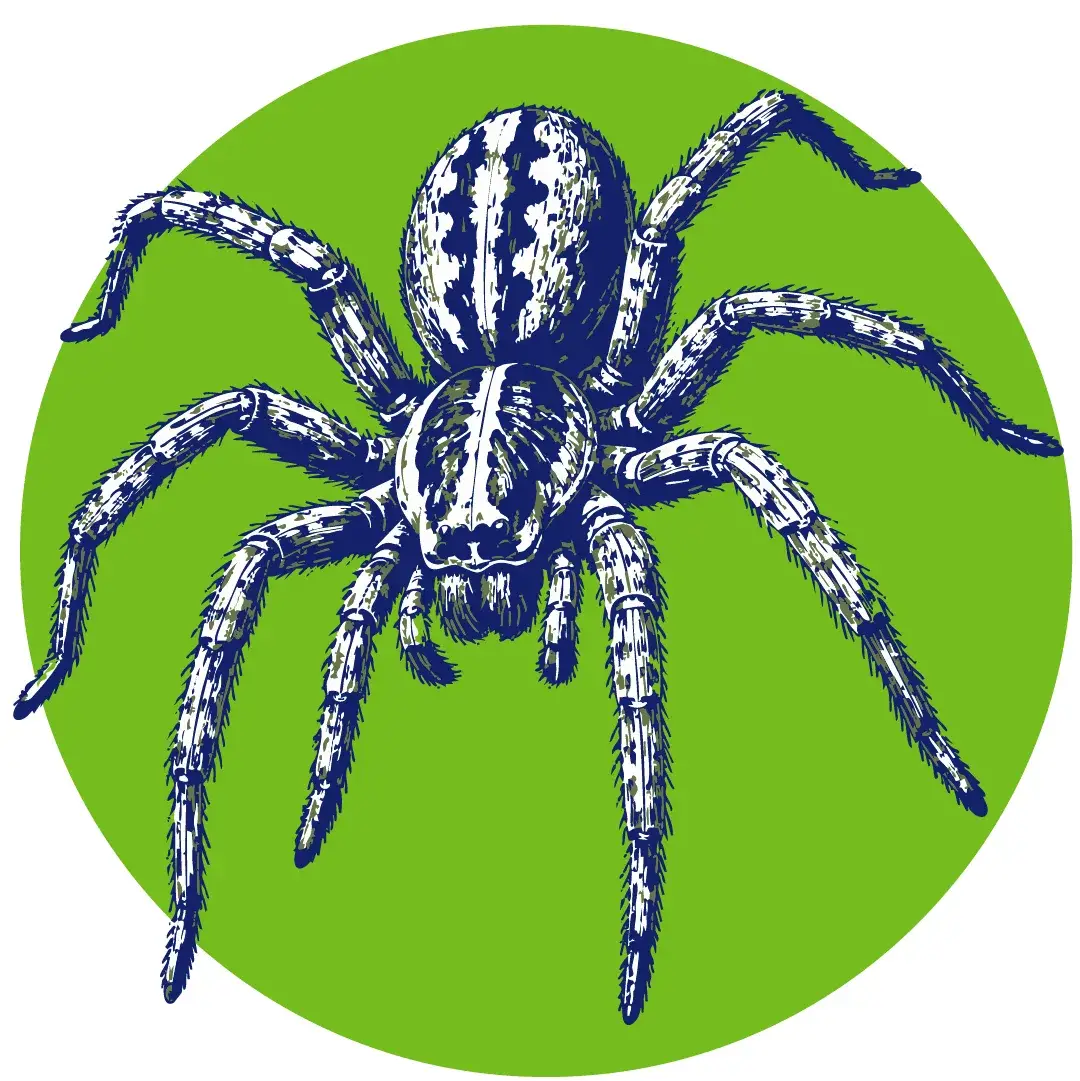
Hobos are medium size brown funnel weavers with chevron (zigzag) patterns on the abdomen. They’re fast runners and terrible climbers, which is exactly why you find them trapped in bathtubs, sinks and window wells from August through October. That’s mating season, and the wandering males are the ones you meet. They’re not hunting you. They’re lost.
“What Spider Did I Just See?” Identify by Appearance
Red Spiders in Utah
Two very different creatures generate this question. If it’s a true spider with a reddish orange front half, a cream or tan abdomen and alarming fangs, found under rocks, flowerpots or mulch at night, that’s a woodlouse spider. It looks like trouble and specializes in exactly one thing: hunting pill bugs. Its bite can pinch but isn’t dangerous.
If instead you’re seeing dozens of tiny red specks on sunny windowsills, siding or concrete in spring or fall, those aren’t spiders at all. They’re clover mites, harmless plant feeders smaller than a pinhead. They don’t bite; their one crime is leaving a red smear when crushed on a white windowsill. (The larger, velvety, slow moving red ones you see outside after rain are velvet mites, which are also harmless.)
White or Yellow Spiders on Your Flowers
A white or pale yellow spider sitting motionless on a bloom, front legs spread wide like a crab, is a goldenrod crab spider. They don’t build webs. They ambush bees and flies visiting flowers, and they can slowly shift between white and yellow to match the bloom they’re sitting on. They are completely harmless to people and, frankly, one of Utah’s cooler backyard residents.
The Pale Yellow One on Your Ceiling at Night
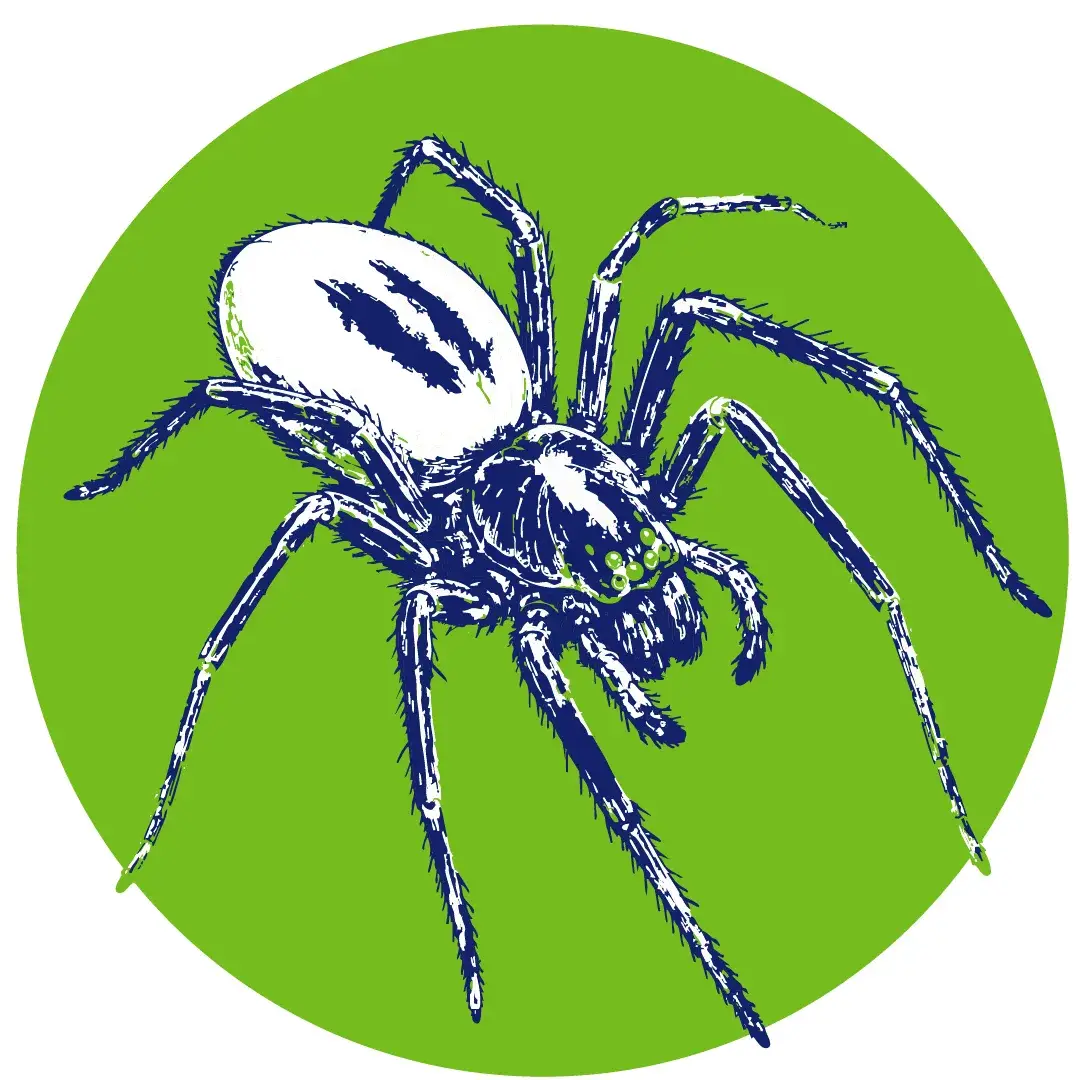
A small, pale yellowish green spider cruising walls and ceilings after dark is a yellow sac spider. These night wanderers hide in a small silk sac (often where the wall meets the ceiling) during the day. They’re responsible for more indoor bites than most Utah spiders, usually when one gets trapped against skin in bedding or clothing, but reactions are mild: localized redness and pain like a sting. Shake out clothes that have been on the floor and you’ll likely never have an issue.
Orange Spiders and the Porch Light Giants
Every fall, Utah homeowners discover a large, lumpy, orange to brown spider that has strung an enormous wheel shaped web across the porch light, the garage door frame or the space between two shrubs. That’s the cat faced spider, an orb weaver named for the two hornlike bumps on its abdomen that vaguely form a cat’s face. They look formidable and are entirely harmless, and they’re eating the moths and midges your porch light attracts all night. Her cousin the banded garden spider (bold yellow and black striping, huge webs in late summer gardens) deserves the same amnesty if you can spare it.
Big, Brown and Fast on the Floor
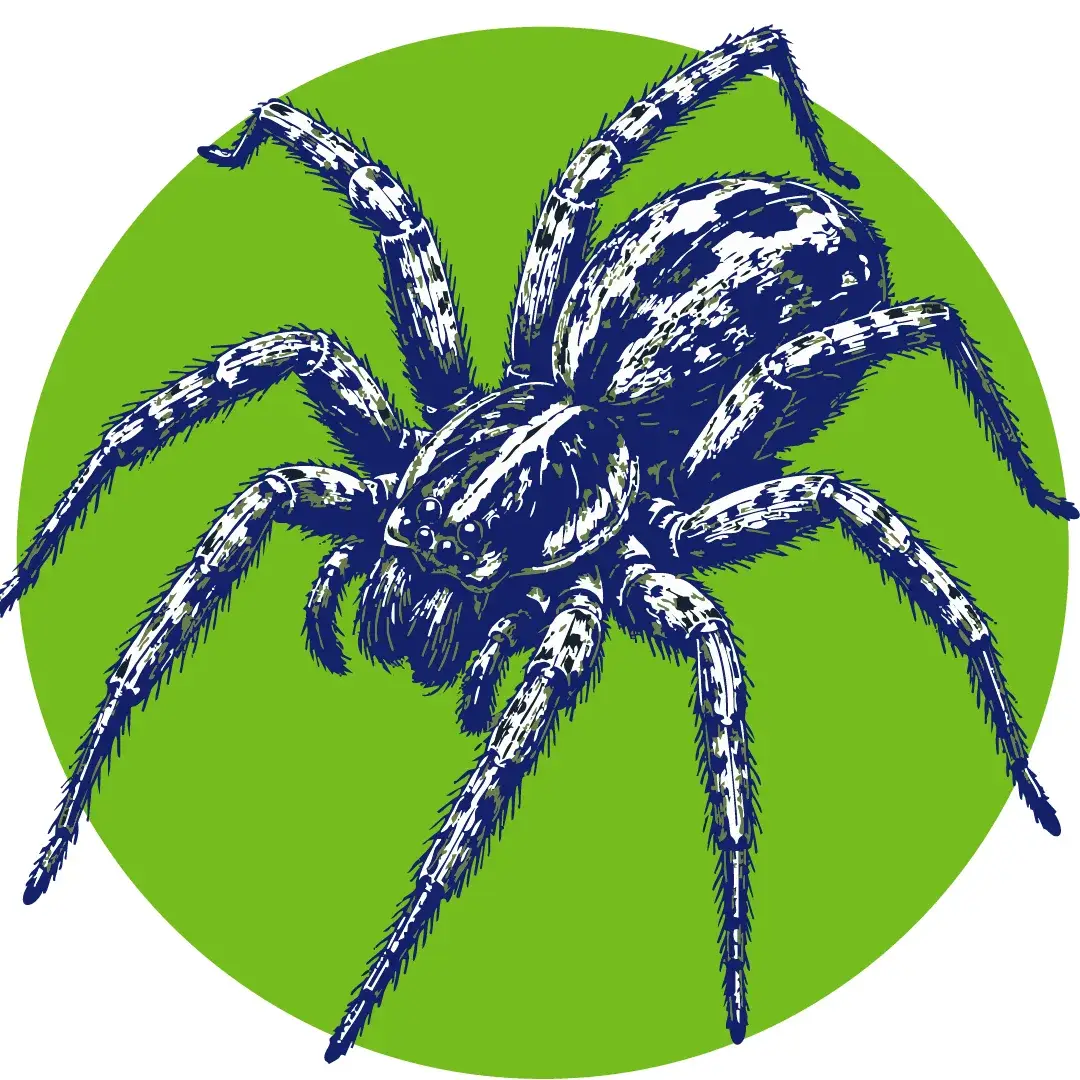
The large brown spider sprinting across your basement floor is usually a wolf spider: stout, hairy and sometimes mistaken for a small tarantula. Wolf spiders don’t build webs. They run down their prey, and their eyes shine back at a flashlight in the dark. Females famously carry their egg sac, and then their spiderlings, on their back. A bite is possible if you grab one; it’s painful but not dangerous.
Its lookalike, the grass spider (funnel weaver), builds the flat sheet webs with a funnel shaped retreat that you see glinting with dew across lawns and junipers in late summer. Grass spiders are routinely misidentified as hobos: same general shape, same speed and the same harmlessness in practice.
And yes, Utah has tarantulas. Males of our native desert tarantula wander in the fall looking for mates, mostly in the west desert and foothill areas. They’re docile, slow and a genuinely rare sighting along the Wasatch Front. If you meet one, you’ve won a small lottery.
The Small Fuzzy One That Jumped
Compact, fuzzy, moving in quick hops and (this is the giveaway) turning to look at you with two big front facing eyes: that’s a jumping spider. The most common in Utah is the bold jumping spider, black with white spots and iridescent green mouthparts. Jumping spiders have the best vision in the spider world, they hunt in daylight, and they are harmless and borderline charismatic. The little zebra striped one on your fence is a zebra jumper: same family, same verdict.
The Web in the Corner
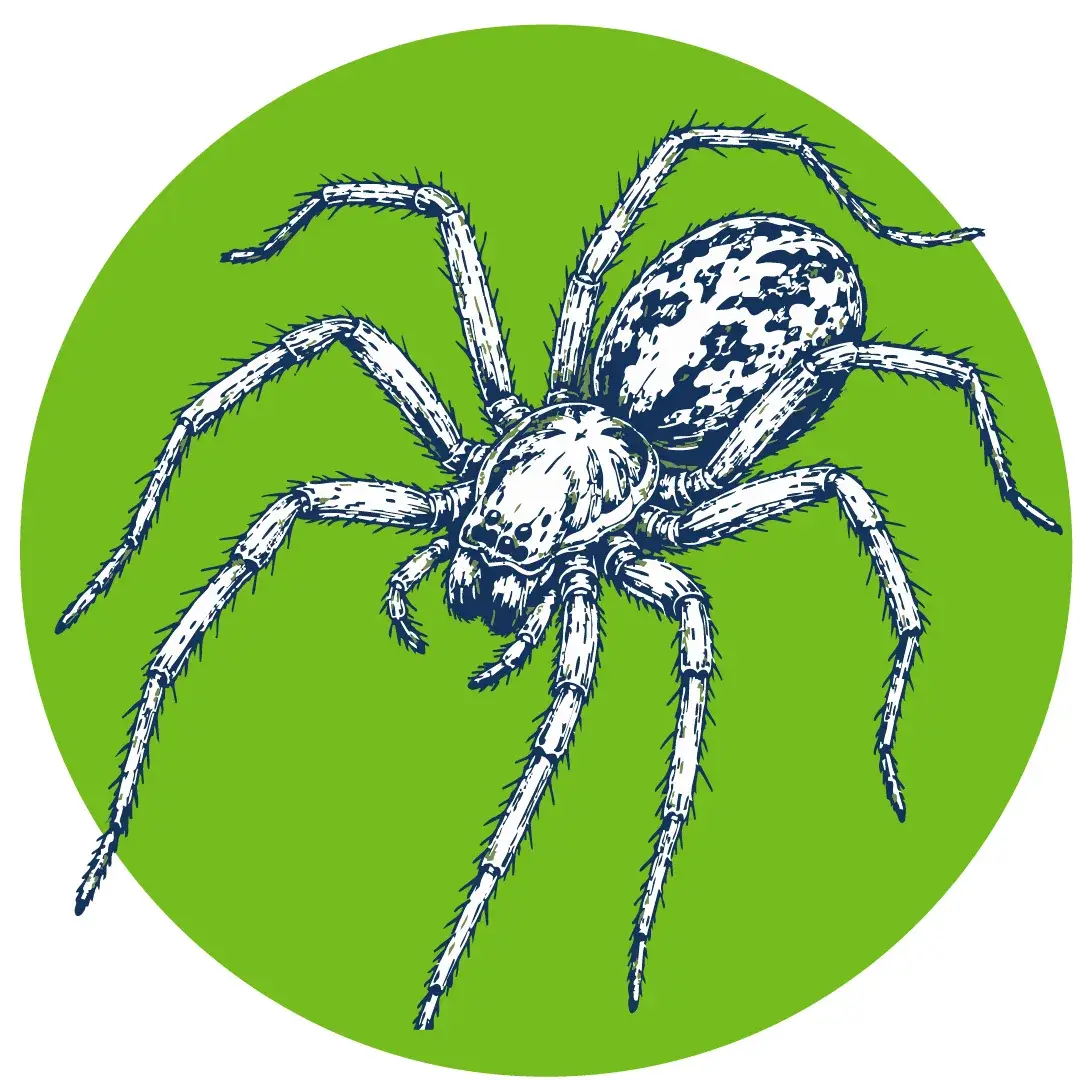
The messy cobwebs in ceiling corners, basements and garages belong to the common house spider (small, brown, mottled and completely uninterested in you) or the false black widow, a dark purplish brown cobweb spider with the widow’s body shape but no hourglass. False widow bites are rare and mild. The extremely leggy, delicate, trembling spider hanging upside down in the cellar is a cellar spider (often called a daddy long legs), and the internet legend that it’s “the most venomous spider but can’t bite you” is false on both counts. Cellar spiders actually hunt and kill other spiders, including widows, which makes them the most underrated free pest control in your basement.
Utah Spider Quick Reference Table
| Spider | How to recognize it | Where you’ll find it | Risk |
|---|---|---|---|
| Western black widow | Shiny black, red hourglass underneath | Window wells, garages, woodpiles, meter boxes | Medically significant; seek care if bitten |
| Hobo spider | Brown, chevron abdomen, fast, poor climber | Tubs, basements, window wells (August to October) | Not medically significant |
| Wolf spider | Large, hairy, hunts on the ground, eyeshine | Basements, garages, lawns at night | Painful pinch, harmless |
| Grass spider | Funnel shaped sheet webs, very fast | Lawns, shrubs, foundation corners | Harmless |
| Jumping spider | Small, fuzzy, hops, big front eyes | Windowsills, fences, walls in daylight | Harmless |
| Cat faced spider | Big, lumpy, orange to brown orb weaver | Porch lights, eaves, garden webs in fall | Harmless |
| Banded garden spider | Yellow and black bands, huge orb web | Gardens and tall grass, late summer | Harmless |
| Woodlouse spider | Reddish orange body, cream abdomen, big fangs | Under rocks, pots and mulch | Pinch, harmless |
| Goldenrod crab spider | White or yellow, crablike stance on flowers | Blooming flowers | Harmless |
| Yellow sac spider | Pale yellowish green, roams walls at night | Walls and ceilings after dark | Mild bite |
| Common house spider | Small, brown, mottled, messy cobweb | Ceiling corners, garages | Harmless |
| False black widow | Widow shape, purplish brown, no hourglass | Dark corners, under furniture | Rare, mild bite |
| Cellar spider | Extremely long thin legs, trembles in web | Basements and crawl spaces | Harmless (kills other spiders) |
When Spiders Come Into Utah Homes
Mark the calendar: August through October. Late summer is mating season for hobo, wolf and grass spiders, which sends mature males wandering, and some of that wandering ends up in your basement. At the same time, cooling nights push insects (spider food) toward the warm side of your foundation, and the spiders follow the buffet. If it feels like your house “suddenly has spiders” every September, it’s not your imagination and it’s not your housekeeping. It’s biology, on a schedule, every year.
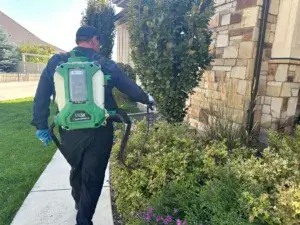
That’s exactly why the right time to deal with fall spiders is before fall. A perimeter barrier applied in late summer intercepts the wanderers and knocks down the insect population that draws them in the first place.
How to Keep Spiders Out
- Seal the gaps at ground level. Door sweeps, foundation cracks and gaps around pipes are the main highway for hobo and wolf spiders. Most of what ends up in your tub walked in at floor level.
- Clear out black widow habitat. Woodpiles against the house, stacked boxes in the garage and junk in window wells are prime black widow real estate. Move firewood away from the foundation and knock down webs in window wells and meter boxes with a broom (wear gloves).
- Manage your lighting. Porch lights feed the insects that feed the spiders. Switching to warm or yellow “bug” bulbs shrinks the buffet, along with the cat faced spider’s web across your doorway.
- Shake out what lives on the floor. Shoes in the garage, camping gear and clothes on the basement floor: a quick shake prevents nearly every indoor bite Utah actually produces.
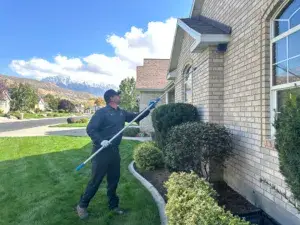
- Get the barrier down before spider season. A professional exterior perimeter treatment in late summer stops the August to October wave at the foundation instead of in your bathroom.
When to Call a Pro
A jumping spider on the fence isn’t a service call. Repeated black widow sightings around the garage, window wells full of webs, or a basement that turns into a hobo highway every fall: that’s a pattern, and patterns are what perimeter treatments are for. Our quarterly exterior pest control program builds the barrier that stops spiders (and the insects they eat) before they’re inside, with interior treatment when a situation calls for it. No contracts. You stay because the spiders don’t.
We treat homes across Utah County, including Orem, Provo and Lehi, plus Draper and Sandy in Salt Lake County. Tell us your address and what you’re seeing, and we’ll tell you exactly what it costs, with real prices on the first call.
Utah Spider FAQ
Are there brown recluse spiders in Utah?
No. Brown recluse spiders are not established in Utah. A close relative, the desert recluse, lives in the far southwestern corner of the state near St. George, but it is not found along the Wasatch Front. The “brown recluse” most Utah County homeowners see is almost always a hobo spider, a grass spider or a wolf spider.
What is the most venomous spider in Utah?
The western black widow is the only spider in northern Utah whose bite is considered medically significant. Its venom is neurotoxic and can cause intense muscle cramping, pain, sweating and nausea. Bites are rarely life threatening for healthy adults, but anyone bitten, especially children or older adults, should seek medical attention.
Are hobo spider bites dangerous?
Current research says no. Hobo spiders were once blamed for bites that damaged skin, but studies have failed to support that claim, and the hobo spider is no longer considered medically significant. Its bite is comparable to a bee sting for most people. The reputation lingers, but the science has moved on.
What are the tiny red spiders on my windowsills?
Those are almost certainly clover mites, not spiders. They’re harmless plant feeding mites smaller than a pinhead that swarm sunny windowsills and siding in spring and fall. They don’t bite, but they leave a red stain when crushed. A perimeter treatment and sealing gaps around windows keeps them outside.
When do spiders come into Utah homes?
August through October. Late summer is mating season for hobo, wolf and grass spiders, so mature males wander indoors looking for females, and cooling nights push other species inside for shelter. That’s why Utah homeowners suddenly find spiders in tubs, basements and window wells in early fall, and why late summer is the right time for an exterior barrier treatment.
Seeing more spiders than you’d like? Get the barrier down before the fall wave hits. Call or text 801.404.4042 and we’ll tell you exactly what your home’s perimeter program costs. No visit required and no estimate games.
Related reading: Wasp Season in Utah: What You Need to Know Now